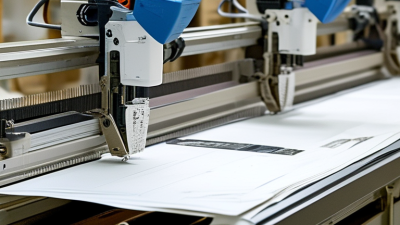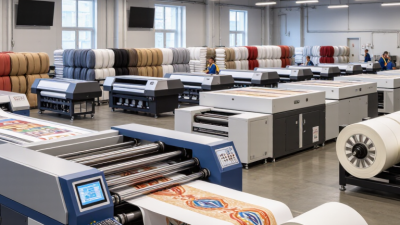
Choosing among the top ultrasonic fabric cutting machine manufacturers requires more than comparing catalog prices. Real performance appears on the production floor, beside fabric rolls, replacement blades, and daily maintenance records. A reliable manufacturer should demonstrate cutting tests on cotton, polyester, laminated textiles, and delicate technical fabrics. The results should show clean edges, limited fraying, stable ultrasonic energy, and consistent output across repeated runs.
Small details matter.
This guide examines manufacturers through practical and technical evidence. It considers machine frequency, cutting speed, horn design, generator stability, operator controls, safety features, and after-sales support. Experienced suppliers should explain how their equipment handles different fabric weights, layered materials, and continuous production demands. They should also provide clear manuals, spare-part availability, training, and traceable quality information. Certifications can support trust, but they should not replace factory testing or customer references.
A strong ultrasonic fabric cutting machine may reduce heat damage, sealing problems, and manual finishing work. However, no machine performs perfectly with every textile. Results depend on fabric structure, blade condition, pressure, speed, and setup accuracy. Some manufacturer claims may sound impressive yet require closer verification. This overview therefore compares established suppliers with a practical, cautious perspective. It highlights proven capabilities while acknowledging gaps, inconsistent data, and the need for sample trials before investment. That approach helps buyers select equipment that fits their materials, workflow, budget, and long-term production goals.
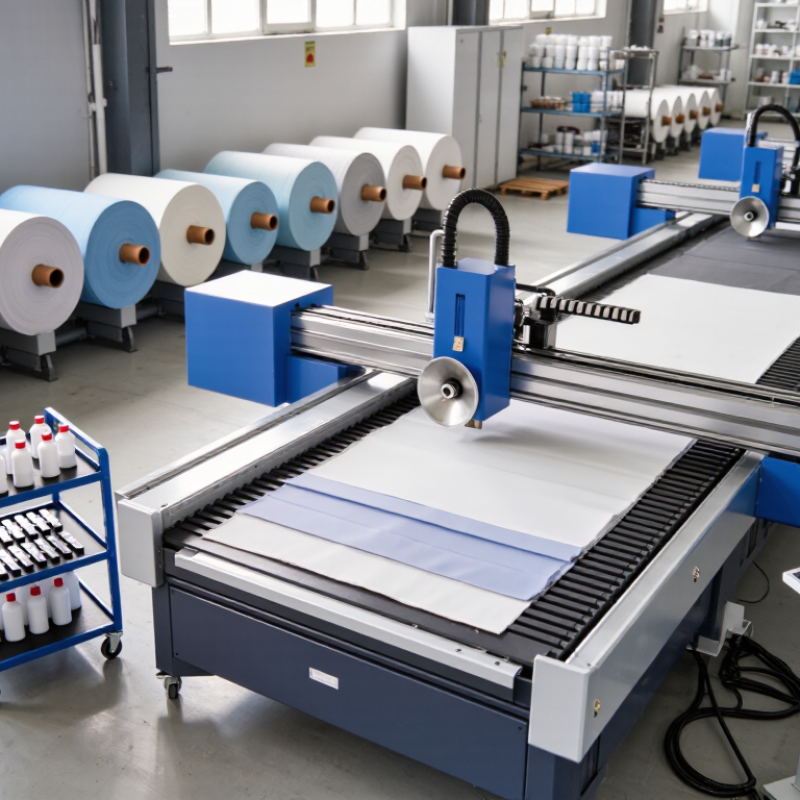
An ultrasonic fabric cutting machine uses high-frequency vibrations to separate textile materials. Its cutting horn vibrates against the fabric at ultrasonic speed. Friction creates localized heat along the contact line. This process can cut and seal some synthetic edges simultaneously.
The machine usually includes a generator, transducer, horn, and supporting anvil. Together, these parts control vibration, pressure, and cutting accuracy. In practical use, polyester webbing may leave a clean, sealed edge with limited fraying. Laminated fabrics can also produce consistent results when pressure and speed are properly adjusted. Natural fibers may behave differently, especially when moisture or loose yarns affect the cut. Results are not always perfect. Testing remains necessary.
Tips: Test a small fabric sample before production. Adjust cutting speed, pressure, and horn alignment carefully. Inspect the edge under bright light. A darkened edge may indicate excessive heat, while loose fibers can suggest insufficient vibration. Keep the horn and anvil clean, because residue can affect cutting stability. Operators should also check ventilation and follow the machine’s safety instructions. Small setup changes matter. A reliable manufacturer should provide material testing, technical guidance, maintenance support, and clear operating specifications. These details often reveal more than advertised cutting speed.
Ultrasonic fabric cutting uses high-frequency vibration to separate textile layers. An ultrasonic generator sends electrical energy to a transducer. The transducer changes that energy into mechanical vibration. A horn transfers vibration to a sharp cutting blade. Under controlled pressure, friction creates localized heat at the cutting line. The edge stays cleaner. It may also seal synthetic fibers and reduce loose threads.
The process works especially well with polyester, nylon, coated fabrics, and many nonwoven materials. Natural fibers can behave less consistently. Cotton may compress, scorch, or leave a softer edge. That detail matters during machine selection. Cutting speed, vibration amplitude, blade shape, and pressure all affect the result. Too much energy can discolor fabric. Too little energy may produce incomplete cuts. It is not magic, though.
Practical trials should use the actual fabric, thickness, and layer count. A machine can cut one layer smoothly and struggle with stacked material. Operators should inspect edge sealing, dimensional accuracy, and heat marks after repeated runs. Dust buildup around the horn can also change performance. Reliable manufacturers usually provide calibration guidance, safety documentation, replacement tooling, and technical training. Their testing should show measurable results, not only attractive samples. Some claims still need questioning. A fast cutting cycle may reduce edge quality or increase tool wear. Careful comparison reveals whether the system fits real production conditions.
Leading ultrasonic fabric cutting machine manufacturers are judged by measurable features, not polished brochures. According to Textile Exchange’s 2024 Materials Market Report, global fibre production reached about 124 million tonnes in 2023. This volume increases pressure on cutting lines to reduce fraying, waste, and rework. Strong machines typically offer stable ultrasonic frequency, adjustable amplitude, and servo-driven fabric movement. A practical system should also maintain clean edges on synthetic blends, technical textiles, and layered materials. Operators need clear controls. Fast setup matters.
Data capability separates advanced equipment from ordinary cutters. Leading manufacturers usually provide PLC control, recipe storage, blade-temperature monitoring, and production records. MarketsandMarkets forecasts the global ultrasonic welding market to grow from roughly USD 2.1 billion in 2024 to USD 3.0 billion by 2029. Cutting equipment benefits from the same investment in ultrasonic automation, although the applications are not identical. Buyers should verify test results on their own fabric rolls. Marketing samples can be misleading. A machine that cuts nylon neatly may struggle with coated fabric or thick stacked layers. Safety design also matters, including guarding, emergency stops, and electrical compliance aligned with ISO 12100 and IEC 60204-1. No machine is perfect. Manufacturers with responsive technical support, replaceable transducers, and documented maintenance intervals often deliver more reliable value than suppliers offering only higher cutting speeds.
The chart presents representative technical benchmarks commonly specified for industrial ultrasonic fabric cutting machines. Typical systems operate at 20–40 kHz, use approximately 400–800 W of ultrasonic power, reach cutting speeds of up to about 100 m/min, and support material thicknesses of roughly 5–10 mm. Actual performance depends on fabric type, blade design, automation level, and machine configuration.
Supplier comparison should begin with verified cutting results, not catalogue promises. Textile Exchange’s 2024 Materials Market Report recorded about 124 million tonnes of global fiber production in 2023. That volume increases pressure on factories to reduce fraying, waste, and rework. Ask each supplier for sample cuts using your actual fabric, including laminated, elastic, and layered materials.
Measure cutting speed, edge quality, noise, power consumption, and operator safety. Record the blade width, ultrasonic frequency, output power, and continuous operating time.
A reliable supplier should provide calibration records, electrical test documents, and clear maintenance intervals. ISO 9001 certification can indicate controlled processes, but it does not prove cutting performance. Request the certificate’s scope and audit status.
Ask for evidence.
Compare the same fabric, pattern, and production speed across suppliers. Inspect the edge after washing, stretching, and repeated handling. Small heat marks may appear acceptable during a demonstration, yet become defects later. This is where many evaluations fail. I would also calculate spare-part costs, training time, response hours, and warranty exclusions. A low purchase price can become expensive when the transducer, horn, or control unit needs replacement. Suppliers offering installation support and documented troubleshooting deserve closer review. Still, customer references should be checked carefully; one factory’s successful trial may not match your materials or working conditions.
Ultrasonic fabric cutting machines serve apparel, automotive interiors, medical textiles, and filtration products. They cut and seal synthetic materials through high-frequency vibration. This can reduce fraying along narrow edges. In apparel production, operators often cut polyester labels, webbing, and layered fabric panels. Automotive suppliers may process seat covers, insulation, and decorative trim. Medical textile producers need clean, repeatable edges on nonwoven materials.
Different material, different behavior. Natural fibers may respond poorly without suitable settings. Before selecting a manufacturer, request cutting samples using your actual fabric, thickness, and production speed. A reliable manufacturer should explain frequency, power range, horn design, and expected output clearly. Vague specifications deserve careful questioning.
Check whether the machine supports continuous operation. Ask about temperature control, noise reduction, guarding, and emergency stops. These details affect operator safety and daily consistency. Technical documents should identify maintenance intervals, replacement parts, and training arrangements. Local safety requirements must also be verified before installation. In production trials, small edge changes can affect sewing accuracy later. That lesson is easy to miss. Compare sealed edges under washing, tension, and repeated handling, not only under showroom conditions. A lower purchase price may hide higher tooling or downtime costs. I would also examine service response times, because a minor sensor fault can stop an entire cutting line. Some evaluations focus too heavily on cutting speed. That is understandable, but long-term stability usually matters more.