China Top 10 Fabric Laser Cutting Machine Manufacturers
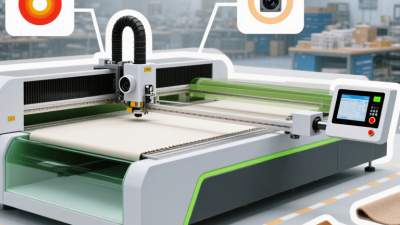
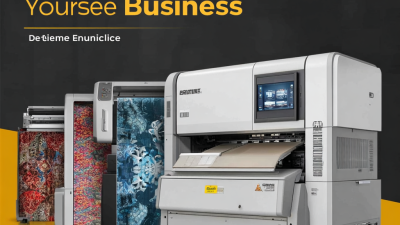
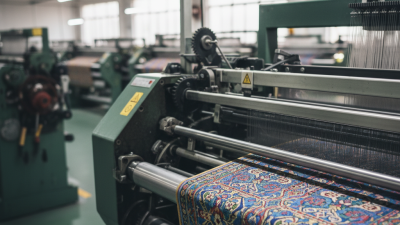
Choosing a fabric laser cutting machine is a practical decision, not just a search for the lowest price. Cutting speed matters, but so do edge quality, fabric handling, software, and reliable after-sales support. China has a broad manufacturing base, with suppliers serving apparel, upholstery, footwear, and technical-textile businesses. Their machines can differ significantly in laser power, working area, automation, and suitability for particular materials.
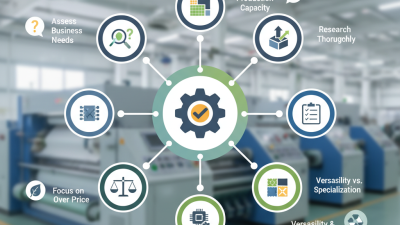
This guide introduces ten Chinese manufacturers and highlights details buyers can investigate before requesting a quotation. Compare specifications against your actual work: a small garment studio may need different features from a factory cutting layered fabric all day. Ask for sample cuts using your own material, and check how the machine handles delicate edges, pattern alignment, and production changes. Look closely at installation, training, spare-parts access, and warranty terms, too. These details affect daily operations.
There is no universal “best” choice. A polished product page cannot replace a real demonstration. Nor does a long feature list prove that a machine fits your workflow. Manufacturer rankings and product offerings may change, so verify current specifications directly and request written confirmation. Some comparisons will still feel imperfect; available public information is not always consistent. Treat this overview as a starting point, then match each supplier’s evidence to your production needs, budget, and service expectations.
Fabric Laser Cutting Basics: 10.6 μm CO₂ Lasers and Contact-Free Processing
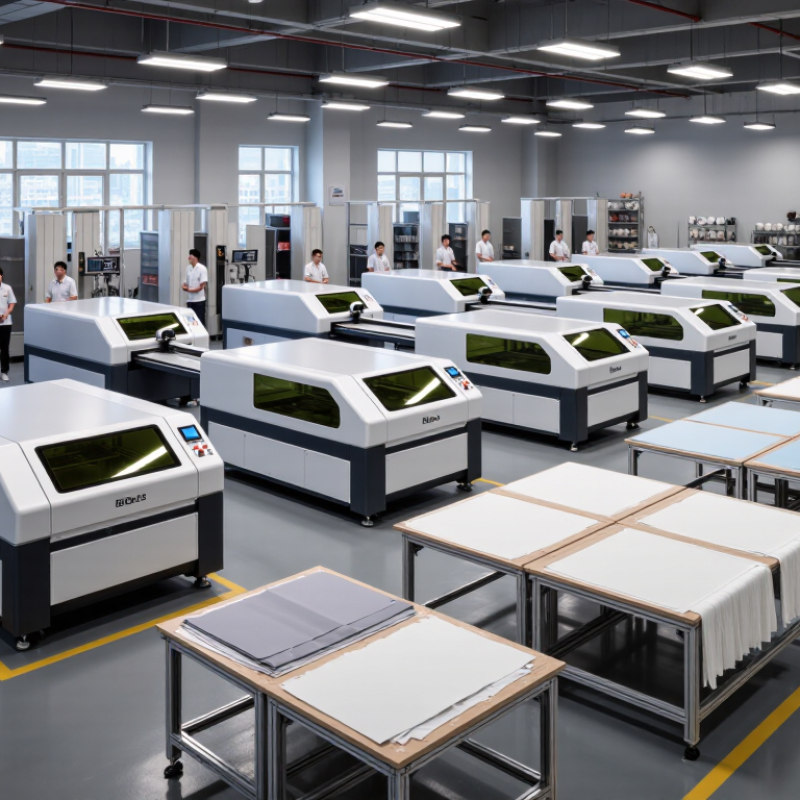
Fabric laser cutting commonly uses a 10.6 μm CO₂ laser. Many textiles absorb this infrared energy at the surface, allowing a focused beam to cut without a blade touching the cloth. There is no cutting pressure. That can reduce fabric movement and help preserve fine shapes in lightweight materials. On polyester, heat may seal the cut edge; on cotton, excessive energy can leave a dark, brittle edge. Material tests matter more than a machine’s headline speed.
The scale of textile production makes repeatable cutting valuable. Textile Exchange’s 2024 Materials Market Report estimates that global fiber production reached 124 million tonnes in 2023, with polyester accounting for 57%. This is industry context, not proof that laser cutting reduces waste. In practice, operators should test power, speed, focus, and air assist on the actual fabric, then inspect both the cut edge and nearby layers. Smoke extraction is essential, too. A clean sample can still hide heat damage on the reverse side. Laser cutting is precise, but not automatically gentle.
Key Machine Metrics: Power, Cutting Speed (mm/s), Bed Size, and Accuracy
When comparing the top 10 fabric laser cutting machine manufacturers, look beyond headline wattage. Laser power affects cutting capacity, but fabric type, weave density, and layer count also matter. A machine that cleanly cuts one cotton layer may leave melted edges on synthetic blends. Ask for sample cuts using your own material, not only showroom fabric.
Cutting speed, stated in mm/s, is useful only when paired with edge quality and repeatability. A high-speed setting may suit long, straight runs, while tight curves and small slots often need slower motion. Check whether published speed describes motion without cutting or a verified production setting. Numbers need context. Record the feed rate, power setting, and observed fraying from each test.
Bed size should match the largest pattern and the way fabric is loaded. A wider bed can reduce repositioning, yet it also needs floor space and reliable material support. Accuracy figures deserve the same scrutiny: ask how they are measured, across what distance, and under what conditions. Small alignment errors can accumulate on long panels. Inspect repeated cuts at the bed’s far corners. Test real fabric. Leave room for uncertainty; fabric can stretch, shift, or behave differently between batches.
China Top 10 Fabric Laser Cutting Machine Manufacturers — Key Machine Metrics
Representative fabric laser cutter configurations compared by rated laser power and maximum rated speed. These illustrative values fall within commonly available commercial specification ranges; they are not verified specifications for specific manufacturers or models, and this is not a manufacturer ranking.
How to read the chart: Power is shown in watts on the left axis; maximum rated speed is shown in millimeters per second on the right axis. Actual cutting speed depends on the fabric, pattern, and machine setup.
| Configuration |
Bed size (mm) |
Typical positioning accuracy |
| 1 | 900 × 600 | ±0.1 mm |
| 2 | 1300 × 900 | ±0.1 mm |
| 3 | 1600 × 1000 | ±0.1 mm |
| 4 | 1600 × 1000 | ±0.2 mm |
| 5 | 1800 × 1000 | ±0.2 mm |
| 6 | 1800 × 1300 | ±0.2 mm |
| 7 | 2000 × 1500 | ±0.2 mm |
| 8 | 2500 × 1600 | ±0.3 mm |
| 9 | 3000 × 1600 | ±0.3 mm |
| 10 | 3200 × 1600 | ±0.3 mm |
Bed size and accuracy are indicative configuration-level benchmarks. Confirm usable cutting area, accuracy test method, and material-specific performance with the supplier before purchase.
China’s Top 10 Fabric Laser Cutting Machine Manufacturers: Profiles and Specialties
China Top 10 Fabric Laser Cutting Machine Manufacturers: Profiles and Specialties
China’s fabric laser cutting machine sector includes manufacturers with different strengths, rather than one universal solution. Some focus on garment factories, offering wide working beds and conveyor systems for continuous fabric rolls. Others build compact machines for samples, appliqué, and small production runs. Fit matters. Buyers should compare usable cutting width, exhaust design, and service support—not just laser power.
Several manufacturers specialize in handling delicate knits and lightweight fabrics, where stable material feeding helps reduce stretching and edge distortion. Others target denim, upholstery, or layered textiles, with stronger frames and workflows suited to heavier workloads. Automation-focused suppliers may integrate camera positioning for printed patterns, while more flexible workshops offer configurable tables and software options. These specialties can overlap, so a product description alone may not reveal how a machine performs on a specific fabric.
When reviewing ten potential suppliers, request a live cutting trial using your own material. Check the edge finish, pattern alignment, and consistency across repeated cuts. Ask how lenses, filters, and other wear parts are maintained. A polished demonstration is useful, but it is not a substitute for production testing. Specifications can also change between models, and published figures may not reflect every fabric type. A careful comparison takes time.
How to Compare Cutting Results by Fabric Weight (g/m²), Ply Count, and Edge Quality
When comparing China’s top 10 fabric laser cutting machine manufacturers, ask for test cuts using your own material, not just showroom samples. Record fabric weight in g/m², weave, coating, and moisture, since each can affect heat response. A 120 g/m² polyester lining may cut neatly in one layer but behave differently in a dense woven stack. Small differences matter.
Test several ply counts, such as one, four, and eight layers, using the same pattern and settings where possible. Check whether lower layers remain fully separated and whether stacked fabric shifts during cutting. Keep the sample labels and machine settings. Otherwise, comparisons become guesswork. Inspect edges for fraying, fused fibers, discoloration, and unwanted stiffness; use a magnifier and check both the top and bottom layers. A dark edge is not automatically a defect, but it may indicate excessive heat for that fabric.
Ask manufacturers to repeat the test after setup changes, then compare cut consistency across the full working area. Note actual throughput as well as edge quality, because slower settings can make almost any sample look better. Results may vary with fabric tension and batch, so one test is not definitive. That is an easy detail to overlook.
China Top 10 Fabric Laser Cutting Machine Manufacturers - How to Compare Cutting Results by Fabric Weight (g/m²), Ply Count, and Edge Quality
Use these representative fabric test profiles to compare machines under the same conditions. GSM ranges describe common material types; suggested ply counts are starting points for a controlled trial, not guaranteed machine capacities. Actual results depend on fabric construction, laser power, speed, focus, extraction, and handling.
| Test Fabric |
Typical Fabric Weight (g/m²) |
Suggested Test Ply Count |
Edge Quality to Check |
Key Inspection Points |
| Lightweight polyester lining |
50–90 |
1, 2, 4 |
Smooth, consistently sealed edge |
Check for shrinkage, melted beads, and layer-to-layer alignment. |
| Polyester chiffon |
30–80 |
1, 2, 3 |
Narrow, even edge with minimal distortion |
Look for fabric movement, rippling, and excess heat marks. |
| Cotton voile |
60–100 |
1, 2, 3 |
Clean cut with limited discoloration |
Natural fibers do not melt-seal; inspect for fraying and char. |
| Cotton poplin |
100–150 |
1, 2, 3 |
Uniform contour with low edge darkening |
Compare corner accuracy, cut-through, and visible soot or browning. |
| Polyester woven fabric |
120–200 |
1, 2, 4 |
Consistent sealed edge without excessive melting |
Inspect seal continuity, edge width, and dimensional change. |
| Cotton twill |
180–300 |
1, 2 |
Complete cut with controlled browning |
Check the reverse side for incomplete cuts, smoke residue, and char. |
| Denim |
250–400 |
1, 2 |
Fully separated edge with acceptable heat discoloration |
Test seams and folded areas separately; inspect for scorching and residue. |
| Polyester felt |
200–500 |
1, 2 |
Even cut through the full thickness |
Check for fused or hardened edges, smoke marks, and incomplete sections. |
| Cotton canvas |
250–450 |
1, 2 |
Continuous cut with limited char and fraying |
Assess cut-through at dense weave areas and inspect both faces. |
| Polyester upholstery fabric |
250–500 |
1, 2 |
Clean contour with an even thermal seal |
Check pile direction, backing layers, edge fusion, and cut consistency. |
Comparison tip: Use the same fabric lot, pattern, focus method, extraction setup, and acceptance criteria for every machine. Record edge quality separately for each ply count; higher ply counts can increase heat buildup and make cut-through less uniform. Confirm material suitability and fire-safety requirements before testing.
Safety and Ownership: Laser Enclosures, Fume Extraction, and After-Sales Service
When comparing fabric laser cutting machine manufacturers, look beyond cutting speed and bed size. A fully enclosed work area can help contain stray laser light and reduce contact with moving parts. The lid should close securely, and access panels should be practical to inspect. Good guarding should not make routine cleaning awkward. Small details matter. Yet an enclosure alone does not control every hazard.
Fabric cutting can produce smoke, fine particles, and strong odors, depending on the material. Ask how the extraction system is sized, where the duct connects, and how filter condition is checked. Airflow should capture fumes near the cutting zone, not merely stir them around the room. A clean lens is not enough. Confirm that filter replacement instructions and maintenance intervals are clearly documented, and check that the setup suits your fabric types.
After-sales support affects ownership long after installation. Ask whether technicians can guide setup, troubleshoot alarms, and source replacement parts, and what response times are typical. Clear response matters. Remote help may solve simple issues, but some faults need an on-site visit. Service promises can sound reassuring; ask for written coverage details and keep records of maintenance and repairs. That log can reveal recurring problems before they interrupt production.