What Are the Top Yarn Spinning Machine Types in 2026
Choosing a yarn spinning machine in 2026 means matching production goals to fiber, yarn quality, operating costs, and available expertise. Ring spinning remains valued for strong, fine yarns, while rotor spinning can support efficient production of coarser yarns. Air-jet and vortex systems offer different combinations of speed, yarn structure, and fiber suitability. Compact spinning modifies the ring process to reduce hairiness and improve yarn properties. These categories overlap in practice, and labels alone do not reveal how a machine will perform with a specific fiber blend.
The right comparison starts with the yarn, not the machine brochure. Consider the target count, raw material, expected output, energy use, maintenance access, and downstream fabric requirements. Ask suppliers for trial data using comparable fibers, then check that the figures reflect realistic operating conditions. Small details matter: a difficult-to-reach cleaning point or an inconsistent feed can affect daily production. Fast is not always better.
This guide introduces the main spinning technologies and explains where each may fit. It also considers trade-offs that are easy to overlook, including operator training and product changeovers. There is no universal winner. A machine that suits one mill may disappoint another, and even a careful comparison cannot remove every uncertainty. Treat recommendations as a starting point, then verify them against your own materials and production needs.
How Yarn Spinning Machines Turn Fibers into Yarn
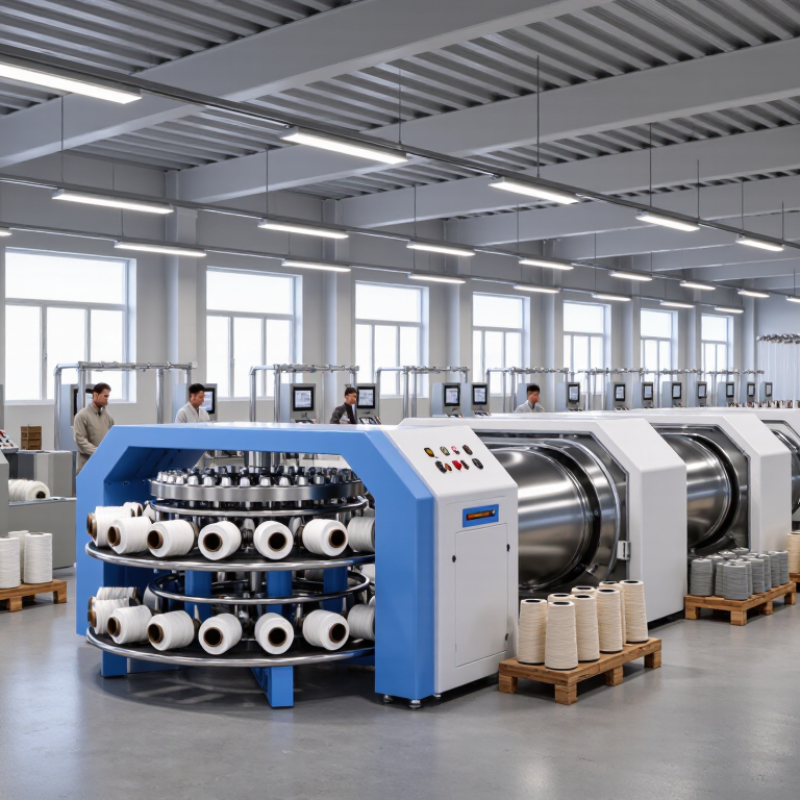
Yarn spinning turns loose fibers into a continuous strand through preparation, drafting, and twisting or wrapping. In 2026, ring, rotor, air-jet, and compact spinning remain important options. The right choice depends on fiber length, yarn count, desired feel, and production needs.
At the card, fibers are opened and aligned into a soft sliver. Drawing frames combine and straighten slivers, reducing uneven patches. For ring spinning, the strand is drafted into thin roving, then twisted by a fast-moving spindle. Compact systems condense fibers before twisting, which can reduce hairiness. Rotor spinning feeds separated fibers into a rotating cup, where they collect and form yarn. Air-jet systems use swirling air to wrap fibers around a core. Small differences matter. Each route leaves a distinct surface and strength profile.
The scale is substantial: Textile Exchange’s Materials Market Report 2024 estimated global fiber production at 124 million tonnes in 2023. That figure covers fibers, not yarn output, and does not point to one best machine. A mill choosing between rotor speed and ring-yarn strength must test its own fiber blend and target fabric. The tidy process diagrams can hide real variation. Moisture, short fibers, and imperfect preparation can all affect yarn consistency.
Top Yarn Spinning Machine Types in 2026
How different spinning systems turn fibers into yarn, compared by representative yarn delivery speed.
Values are indicative examples in meters per minute, not machine limits or universal specifications. Actual speeds vary with fiber, yarn count, and machine setup. Ring spinning twists a drafted fiber strand; rotor spinning forms yarn inside a rotor; air-jet and vortex systems use air currents to wrap fibers around the yarn core.
Ring and Compact Spinning Machines
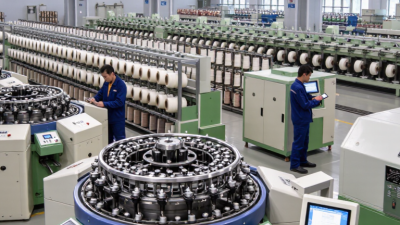
Ring and compact spinning machines remain important choices for mills in 2026, especially when yarn quality and product flexibility matter. In a ring frame, rotating spindles twist drafted fibers into yarn, while a traveler guides the yarn onto each bobbin. The process can produce a broad range of counts and fiber blends. It also gives operators room to adjust settings for different products. The trade-off is speed: ring spinning is generally slower than some alternative systems, and spindle parts need regular attention.
Compact spinning is a refined form of ring spinning. A condensing zone gathers loose fibers before twisting, which can reduce yarn hairiness and create a smoother surface. That may help fabrics look cleaner and reduce fly during downstream processing. Small details matter. Poor suction, worn aprons, or uneven fiber preparation can undermine the result. Compact equipment may also add investment and maintenance costs, so its benefits should be checked against the intended fabric and production volume. A sample tells more than a brochure. Still, compact is not automatically better; some mills may find conventional ring frames adequate. Trial yarn should be tested for strength, evenness, hairiness, and performance on the actual knitting or weaving line.
Rotor and Friction Spinning Machines
What Are the Top Yarn Spinning Machine Types in 2026
Rotor and Friction Spinning Machines
Rotor spinning forms yarn by feeding opened fibers into a rapidly rotating rotor. The fibers collect in a groove, where twist binds them into a continuous strand. This process can support high output and works well for many medium- and coarser-count yarns. The resulting yarn often feels fuller than ring-spun yarn. It suits applications such as denim and knitted fabrics. Not every fabric needs that texture.
Friction spinning uses rotating, often perforated drums to gather and twist fibers. Depending on the machine setup, it can produce bulky yarns or yarns with a core component. It is worth considering for technical textiles and specialty constructions, though performance varies with fiber preparation and settings. Rotor systems are generally the more established choice for large-scale production; friction systems can offer flexibility, but may need careful process tuning. A small trial can reveal problems that a specification sheet misses.
Tips: Compare yarn count, strength, evenness, and end-break frequency using the same fiber blend. Check maintenance access and operator training needs, too. Keep records. Actual results may differ.
Air-Jet and Vortex Spinning Machines
Air-jet and vortex spinning use compressed air to twist fibers, but their yarn structures differ from ring-spun yarn. Vortex spinning wraps surface fibers around a straighter fiber core, creating smooth yarn with relatively low hairiness. This can suit shirts, knits, and fabrics that need a clean surface. Air-jet systems are valued for speed and consistent output, though yarn strength and suitable fiber blends need careful testing. The feel of the finished fabric matters.
The International Textile Manufacturers Federation’s 2023 International Textile Machinery Shipment Statistics reported about 28,000 air-jet spindle shipments worldwide, down roughly 25% from 2022. That figure tracks equipment shipments, not mill performance or total demand, so it should not be read as a verdict on the technology. In production, buyers should compare compressed-air use, fiber waste, yarn quality, and maintenance needs against their own order mix. A short trial helps. Even small changes in fiber length or humidity can affect yarn behavior, and real mills do not always match lab conditions. Vortex lines can deliver high productivity, but the best choice still depends on fabric specifications and operating costs.
How Spinning Systems Differ in Yarn Quality and Production speed
Yarn spinning systems differ most clearly in yarn structure, surface feel, and practical output. Ring spinning twists fibers into a strong, soft yarn with good versatility. It suits fine counts and fabrics where a gentle hand matters. However, its spindles generally run slower than rotor or air-jet systems, and frequent end breaks can reduce effective production.
The trade-off is real.
Rotor spinning uses an open-end process and can produce yarn quickly, especially from suitable short-staple fibers. Its yarn often feels bulkier and may have lower strength than comparable ring-spun yarn. That texture works well for denim, towels, and casual fabrics.
Air-jet spinning can deliver high output and a smooth, low-hairiness surface. It is less suited to every fiber blend, though, and the fabric may feel firmer.
Feel the yarn.
Compact ring systems condense fibers before twisting, helping reduce hairiness and improve strength without changing the basic ring-spinning approach. Actual speed depends on yarn count, fiber preparation, machine settings, and stoppages—not just the advertised spindle rate.
A practical comparison should use the same fiber lot and target count, then inspect yarn evenness, strength, and breaks over a sustained run.
Small sample tests can mislead.
I would also check whether operators can maintain stable settings across shifts; a fast machine is less useful when quality drifts.