7 Best Textile Recycling Machines for Global Buyers?

Textile waste is no longer a distant environmental concern. It is a daily industrial challenge involving discarded shirts, factory offcuts, denim scraps, and blended fabrics. The Ellen MacArthur Foundation estimates that one truckload of textiles is landfilled or burned every second. The European Environment Agency reported that EU consumers generated about 6.95 million tonnes of textile waste in 2020. These figures expose a growing need for practical recovery systems.

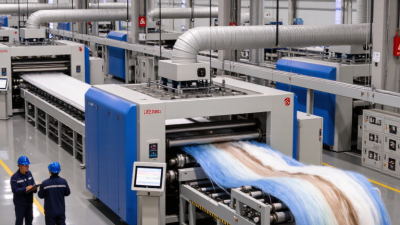
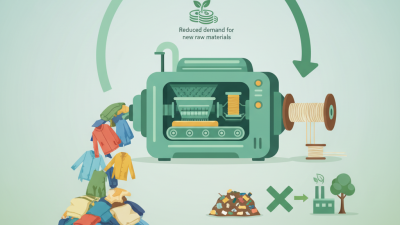
A reliable textile recycling machine can convert selected waste into reusable fiber, nonwoven material, insulation, wiping cloths, or new yarn feedstock. However, machine performance depends heavily on the input. Cotton cutting waste behaves differently from polyester garments or elastane-rich fabric. Textile Exchange’s Materials Market Report shows continued growth in global fiber production, increasing pressure on recycling infrastructure. The best equipment must therefore be judged beyond marketing claims. Buyers should examine throughput, fiber opening quality, dust control, energy use, maintenance access, and compatibility with local waste streams.

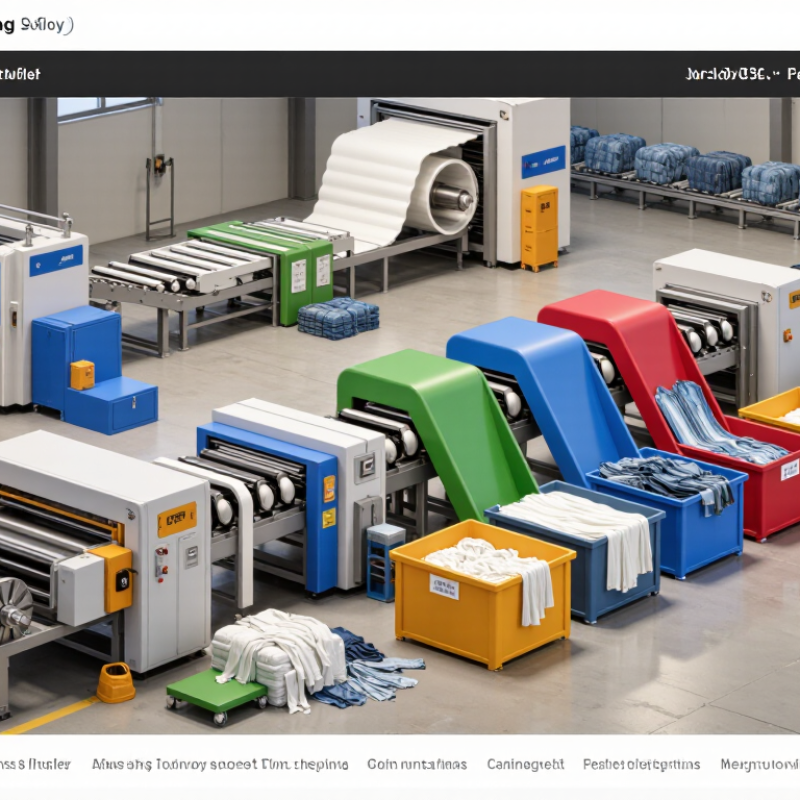
This guide reviews seven leading machine categories for global buyers. It considers garnetting machines, fiber opening lines, shredders, sorting systems, carding equipment, and integrated recycling lines. Practical evidence matters. Ask suppliers for trial results, output samples, power specifications, and service records. No machine is perfect. A high-capacity line may damage valuable fibers, while a cheaper unit may create excessive dust or require frequent manual cleaning. Definitions also vary across industry reports, so comparisons need caution. The strongest purchasing decision combines verified data, operator experience, safety compliance, and a realistic feedstock plan.
7 Best Textile Recycling Machines for Global Buyers?

Textile Waste by the Numbers: 92 Million Tonnes Generated Globally Each Year

7 Best Textile Recycling Machines for Global Buyers?

Textile Waste by the Numbers: 92 Million Tonnes Generated Globally Each Year

The global textile industry generates about 92 million tonnes of waste annually, according to the United Nations Environment Programme. That equals roughly one garbage truck of textiles every second. The figure is not small. UNEP also warns that textile production could rise sharply by 2030 without stronger circular systems. The Global Fashion Agenda and McKinsey have reported similar growth concerns, although regional collection data remains incomplete.

For global buyers, machine selection should follow the waste stream, not advertising claims. The seven common equipment categories include sorting units, cutting machines, shredders, fiber openers, garnetting machines, carding lines, and nonwoven production systems. Textile Exchange reported that global fiber production reached about 116 million tonnes in 2022. However, recycled textiles still represent a limited share of new fiber supply. That gap shows both opportunity and risk. A machine may process cotton efficiently but perform poorly with blended fabrics, wet materials, zippers, or heavy seams.

Tips: Request a test using your actual waste. Measure fiber length, dust levels, output moisture, energy use, and rejected material. Ask for independent performance records, not only factory estimates. My practical concern is often overlooked: higher throughput can reduce quality. A faster line is not automatically a better investment. Check local technicians, spare-part access, fire protection, and worker training before signing a purchase agreement. Industry reports provide direction, but site-level trials reveal the uncomfortable details.

Machines 1–2: Textile Shredders and Fiber Openers for Mechanical Recycling

Machines 1–2: Textile Shredders and Fiber Openers for Mechanical Recycling

Textile shredders begin the mechanical recycling line by reducing garments, cutting waste, and production offcuts into manageable pieces. A low-speed shredder suits mixed fabric bales because it limits heat and controls feeding. Operators should inspect blades daily. Metal zippers, buttons, and damp material can cause stoppages or uneven cuts.

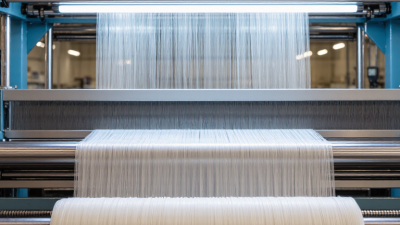
Fiber openers then separate compacted textile pieces into a loose web. The opening chamber must balance gentle treatment with enough force to release fibers. Excessive aggression shortens fiber length and creates dust. That matters when producing yarn, insulation, or nonwoven materials. In practice, a visible sample tray helps operators adjust speed, grate spacing, and feed rate.

Industry data explains the urgency. The United Nations Environment Programme has reported that textile waste reaches about 92 million tonnes annually. Textile Exchange’s Materials Market Report 2024 recorded global fiber production at approximately 132 million tonnes in 2024. Recycled fibers still represented a limited share of total output. These figures support investment, but they do not guarantee profitability.

Buyers should request trial results using their actual feedstock. Clean cotton cutting waste behaves differently from blended uniforms or elastane-rich garments. Reported recovery rates can also hide fiber-quality losses. I would not choose a machine from throughput alone. Noise, dust control, maintenance access, and operator training often decide whether the line performs reliably after installation.

Machines 3–4: Carding and Garnetting Systems for Recycled Fiber Production

Machine 3: Carding Systems for Recycled Fiber Production

Carding machines open, align, and refine fibers after shredding. They turn tangled textile fragments into a more uniform web. This stage strongly affects yarn strength, softness, and later spinning performance. Experienced operators check the feed mat every few hours. Uneven feeding often creates thin spots and visible fiber lumps.

A practical carding line needs adjustable cylinder speed, controlled feeding, and accessible cleaning points. Recycled fibers may contain mixed lengths, dust, or small fasteners. Even after sorting, surprises appear. A slower setting can protect fragile fibers, but it may reduce output. This balance requires trial records, not guesswork.

Machine 4: Garnetting Systems for Recycled Fiber Production

Garnetting machines use toothed rollers to tear fabric waste into reusable fiber. They suit production lines handling cut garments, knitted waste, and certain post-industrial scraps. Garnetting is powerful, but excessive tearing can shorten fibers. That weakness may reduce final fabric durability. Testing different roller speeds is essential before full-scale production.

Tips: Keep moisture, fiber blend, and feed weight consistent during trials. Install dust control and inspect guards before operation. Measure fiber length, web evenness, and waste percentage. Operators should record changes clearly, even when results look disappointing. Small process errors become expensive at higher volumes.

7 Best Textile Recycling Machines for Global Buyers? – Machines 3–4: Carding and Garnetting Systems for Recycled Fiber Production

Typical technical and operating ranges for textile recycling plants. Actual performance depends on fiber type, moisture, contamination, feed preparation, machine configuration, and operating conditions.
Data Dimension Machine 3: Carding System Machine 4: Garnetting System
Primary function Separates, aligns, and partially individualizes prepared fibers to form a more uniform fiber web. Opens and tears textile waste into loose fibers or fiber tufts for downstream spinning, nonwoven, filling, or composite applications.
Suitable feedstock Pre-opened cotton, wool, polyester, viscose, blended fibers, and relatively clean recycled fiber flocks. Cut textile waste, post-industrial scraps, denim, knitted fabric, upholstery waste, nonwoven offcuts, and pre-opened garments.
Typical production capacity Approximately 50–250 kg/h, depending on working width, fiber blend, web quality, and required opening intensity. Approximately 100–600 kg/h, with lower rates for difficult blends and higher rates for clean, pre-cut production waste.
Common working width About 1.0–2.5 m for compact and medium-scale recycling lines. About 1.0–2.5 m, depending on the number of opening cylinders and the required throughput.
Installed electrical power Typically 30–120 kW for the carding machine and its standard drives. Typically 30–150 kW, depending on cylinder diameter, opening intensity, line speed, and extraction equipment.
Typical output form Continuous fiber web, sliver, or aligned fiber layer suitable for further web forming, needlepunching, or spinning preparation. Loose, opened fiber flock or tufts that normally require further blending, carding, web forming, or pneumatic separation.
Fiber quality effect Improves fiber alignment and web uniformity; excessive carding can increase fiber breakage and neps. Provides strong opening action but may shorten fibers and increase dust when operated too aggressively.
Recommended process position Usually installed after cutting and preliminary opening, and before web formation, needlepunching, or spinning preparation. Usually installed after sorting and cutting, often before a carding machine, blending unit, or nonwoven web-forming line.
Typical end uses Recycled yarn preparation, insulation, acoustic felt, needlepunch nonwovens, wiping products, and textile padding. Mattress and furniture filling, automotive insulation, carpet underlay, geotextiles, acoustic products, and recycled nonwovens.
Dust and contamination control Requires enclosed transfer points, suction ducts, filters, and regular cleaning of card clothing and waste zones. Requires effective dust extraction, spark and fire-risk controls, magnetic or metal separation, and safe access for cleaning.
Main buyer checklist Working width, carding-wire specification, fiber-length tolerance, web weight range, adjustable feed rate, cleaning system, and spare clothing availability. Number and type of opening cylinders, feed-roll control, production target, dust-extraction capacity, knife and wire maintenance, and feedstock testing.
Best fit for global buyers Best for buyers prioritizing more uniform fiber alignment, controlled web formation, and higher-value recycled textile or nonwoven products. Best for buyers processing mixed textile waste and seeking robust opening capacity before downstream carding, filling, or nonwoven production.

Note: Capacity, power consumption, and fiber quality should be verified through feedstock trials because recycled textiles vary substantially in composition, moisture, contamination, and fiber length.

Machines 5–6: PET Flake and Chemical Recycling Lines for Fiber-to-Fiber Use

Machine 5: PET Flake Recycling Line

A PET flake recycling line turns washed bottles into clean, uniform flakes for polyester fiber production. The process usually includes crushing, hot washing, drying, sorting, and dust removal. Clear flakes matter because PVC, labels, moisture, and dark particles can weaken fiber quality. In practical operation, moisture control is often the quiet problem. Wet flakes may cause unstable extrusion and uneven filament strength. Operators should check melt filtration, flake size, washing temperature, and dryer performance every shift. A small contamination issue can become visible in finished fabric.

Machine 6: Chemical Recycling Line

A chemical recycling line breaks PET into chemical building blocks before producing new fiber-grade material. It can handle some feedstock that mechanical systems struggle to process, including colored or blended materials. However, sorting remains important. Mixed polymers, coatings, and additives can reduce recovery efficiency and raise treatment costs. The plant needs controlled reaction conditions, purification equipment, storage tanks, and trained technicians. Quality testing should cover molecular purity, viscosity, color, and residual chemicals.

Results can disappoint.

Buyers should request trial data using their own waste. Laboratory results alone may look better than factory performance. Energy use, wastewater treatment, maintenance access, and worker safety deserve equal attention. A lower purchase price is not always a lower operating cost. The best choice depends on feedstock consistency, target fiber quality, local utilities, and realistic production volumes.

Machine 7: Thermal Recycling Equipment and Global Buyer Selection Criteria

Thermal recycling equipment can process difficult textile streams through controlled heat, depolymerization, or thermochemical conversion. The right machine depends on fiber chemistry, not appearance. Polyester-rich waste may require different conditions than blended cotton fabrics. Textile Exchange’s Materials Market Report 2024 states that global fiber production reached about 132 million tonnes in 2023. Recycled fibers still represented a limited share of total output. This gap creates demand, but also invites exaggerated claims.

Global buyers should inspect feedstock tolerance, operating temperature, moisture control, oxygen management, and output purity. A machine that accepts zippers, dyes, and elastane may reduce sorting costs. However, contamination can lower product quality and increase maintenance. Ask for independent yield data, emissions testing, energy consumption per tonne, and verified trial results. The European Environment Agency reports that less than 1% of textile materials are recycled into new textile fibers in Europe. That figure shows the technical challenge clearly.

From practical procurement experience, I would not approve a thermal unit from brochure data alone. Run representative samples containing seams, labels, and mixed colors. Measure the product after cooling, not only inside the reactor. A high advertised yield can mislead. Buyers should also compare spare-part access, operator training, fire protection, certification support, and total cost per processed tonne. The International Energy Agency’s industrial energy analyses remind buyers that process heat efficiency strongly affects operating costs. Small pilot tests often reveal uncomfortable weaknesses. That is useful.

Go to Top
Translate »