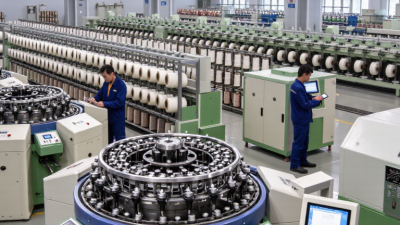
Why Choose an Industrial Weaving Machine?

Choosing an industrial weaving machine is a practical decision that shapes fabric quality, production speed, and daily operating costs. The right equipment should match the material, weave structure, and expected output—not simply the largest production target. A machine built for steady work can help a mill maintain consistent fabric width and reduce avoidable stoppages.

Look closely at the details. A clear control panel, accessible maintenance points, and dependable parts support can matter as much as rated speed. For example, operators may need to adjust tension when switching from a lightweight fabric to a denser construction. A suitable industrial weaving machine should make those routine changes manageable, while offering the controls and safeguards appropriate to its intended use. Specifications should be checked against actual production needs and confirmed with the manufacturer or a qualified supplier.

There is no single best choice. Loom type, available floor space, operator experience, energy use, and service access all influence performance. A fast machine may not be the most efficient fit if frequent changeovers slow the production line. That trade-off is easy to underestimate. Buyers should compare technical data, request clear documentation, and discuss realistic output conditions before committing. Even careful planning cannot remove every production issue; fabrics and processes vary. Still, a well-matched machine can provide a more reliable foundation for consistent weaving and future growth.
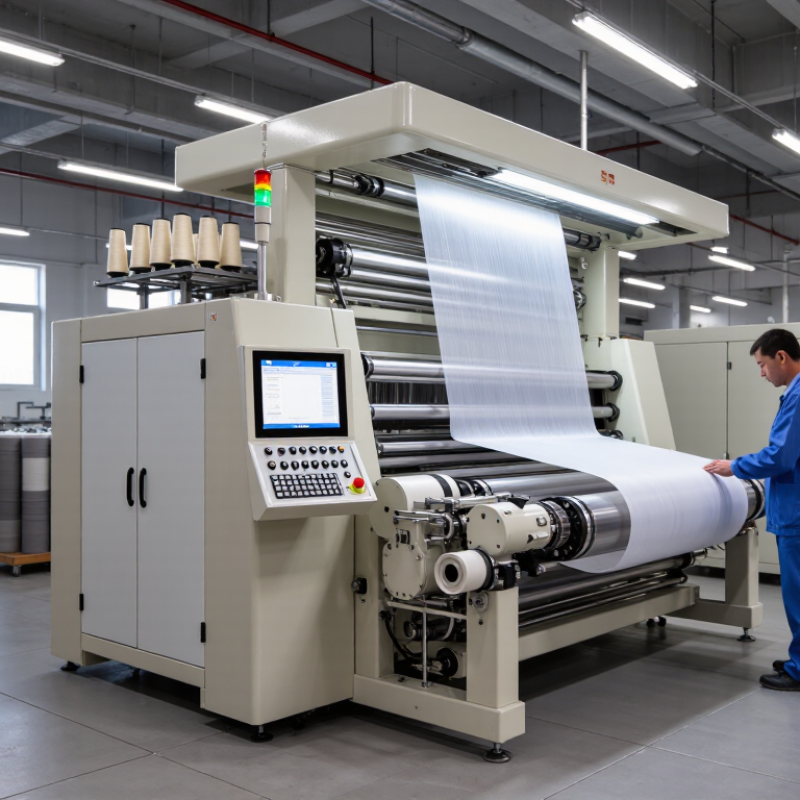
Why Choose an Industrial Weaving Machine?

What Is an Industrial Weaving Machine?

What Is an Industrial Weaving Machine?

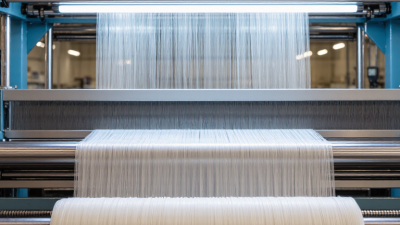
An industrial weaving machine interlaces two sets of yarn to make fabric. Lengthwise yarns, called warp, stay under controlled tension. Crosswise yarns, called weft, pass between them. The machine raises selected warp threads, inserts the weft, and presses each new pick into place with a reed. The repeating pattern forms a stable textile structure. The principle is simple.

The machinery is not. A loom may use a shuttle, rapier, or air jet to carry the weft across the warp. Each method suits different materials, widths, and production needs. Sensors and controls help maintain yarn tension, detect breaks, and regulate speed, but they do not remove the need for setup and inspection. A snapped thread can leave a visible flaw, even when the machine stops quickly. Operators check the yarn path, monitor fabric edges, and adjust settings for the material being woven. Results depend on the yarn, weave pattern, machine condition, and skill of the people running it. That matters. A high output rate alone does not guarantee consistent fabric; sometimes slower settings produce fewer defects.

How Does an Industrial Weaving Machine Work?

An industrial weaving machine forms fabric by crossing lengthwise warp yarns with a crosswise weft yarn. The warp runs from a beam through guides and heddles, which control individual yarns or groups of yarns. At each cycle, some heddles rise while others stay down, opening a gap called the shed. This opening lets the weft pass through. Depending on the loom, a shuttle, rapier, or air jet carries it across the width. The reed then pushes the new pick against the woven edge. The sequence repeats.

As cloth forms, a take-up mechanism winds it onto a roll, while a let-off system releases warp yarn at a controlled rate. Consistent tension matters: a loose warp can cause uneven fabric, while excess tension may break yarns. On many modern looms, sensors detect broken ends or irregular operation, but settings still need careful adjustment. Operators check the yarn, weave pattern, and fabric edge, not just the control panel. A machine can run quickly and still make poor cloth. That is worth remembering. Small changes in yarn thickness or humidity may affect the result, and not every fault has an obvious cause. Fine-tuning can take patience.

What Production Advantages Does It Offer?

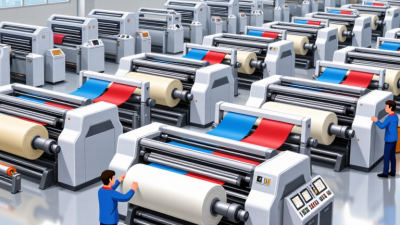
Industrial weaving machines can turn yarn into fabric at a steady rate, helping mills meet larger, more predictable order volumes. Controlled loom settings help operators maintain consistent picks, tension, and fabric width throughout a run. That matters when rolls will be cut or joined later. Less variation can mean fewer adjustments downstream.

A machine’s production advantage is not speed alone. Automated feeding and repeatable patterns can reduce routine handling, while digital controls help reproduce a proven setup. Changeovers still take time. Different yarns may need new tension settings, careful sampling, and an experienced operator’s judgment. A small tension error can create visible stripes or uneven edges. There is a curve. Planned cleaning and inspection can prevent lint buildup or worn parts from interrupting a shift. Actual output depends on yarn, weave structure, maintenance, and operator skill, so a high rate on paper does not guarantee usable fabric. Tracking good fabric per shift, defects, and setup time gives teams a more grounded view of performance. Sometimes slower is better.

Why Choose an Industrial Weaving Machine?

Higher operating speeds can increase weaving capacity, helping manufacturers produce more fabric within the same shift.

The chart shows calculated weft insertions for an 8-hour shift at three illustrative loom speeds, assuming 85% running efficiency. It uses speed × 60 minutes × 8 hours × 85%; actual fabric output varies with fabric construction, machine setup, and downtime.

Which Industries and Materials Use Industrial Weaving Machines?

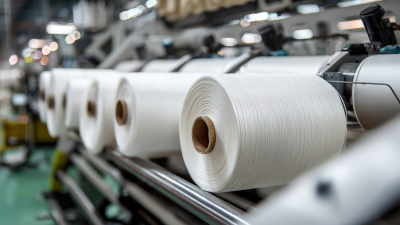
Industrial weaving machines serve more than clothing mills. They make woven fabrics for automotive interiors, seat belts, filtration, medical textiles, construction, and agriculture. Each sector asks for different performance: a seat-belt fabric needs controlled strength, while a filter cloth needs a precise, stable opening. Cotton and polyester are common, but looms may also handle nylon, polypropylene, glass fiber, and other technical yarns. The right setup depends on yarn thickness, tension, abrasion, and fabric width. Small changes matter.

Textile Exchange’s Materials Market Report 2024 estimates that global fiber production reached 124 million tonnes in 2023, with polyester accounting for about 57 percent. That scale helps explain why synthetic yarns are important inputs, though the figure covers fibers across many uses, not just woven products. Grand View Research valued the global technical-textiles market at USD 220.4 billion in 2022 and projected 4.6 percent annual growth through 2030. This is a market estimate, not a count of weaving machines. Still, it signals broad demand across industries. The numbers do not tell the whole story: recycled yarns, delicate fibers, and frequent product changes can make production less straightforward than a market forecast suggests.

Why Choose an Industrial Weaving Machine? - Which Industries and Materials Use Industrial Weaving Machines?

Industry Typical Woven Products Common Materials Relevant Weaving Equipment Why Industrial Weaving Is Used
Automotive and transport Seat belts, airbag fabrics, tire-cord fabrics, and interior reinforcement textiles High-tenacity polyester, nylon, and aramid fibers Heavy-duty broad looms and narrow-fabric looms Supports consistent fabric construction and the production of strong, dimensionally stable components.
Construction and civil engineering Woven geotextiles, reinforcement fabrics, and architectural textile panels Polypropylene, polyester, and glass fiber Wide-width looms and technical-textile looms Produces fabrics with controlled strength, width, and opening characteristics for demanding project specifications.
Agriculture and horticulture Shade cloth, crop-protection fabric, ground cover, and woven sacks Polyethylene, polypropylene, and polyester Raschel or other purpose-built net machines for nets; circular or flat looms for woven products Enables efficient production of durable, lightweight fabrics in useful widths and constructions.
Packaging and bulk handling Woven polypropylene bags, bulk bags, and industrial packaging fabric Polypropylene and, in some applications, polyethylene tapes Circular looms and flat looms Turns synthetic tapes into strong fabric suitable for bags and other flexible packaging products.
Material handling and mining Conveyor-belt carcass fabrics, lifting slings, and reinforcement textiles Polyester, nylon, aramid, and cotton or synthetic blends Heavy-duty broad looms and narrow-fabric looms Allows manufacturers to produce reinforced fabrics with structures tailored to load and service requirements.
Filtration and process industries Woven filter cloth, screens, and process fabrics Polyester, polypropylene, nylon, and stainless-steel wire Precision broad looms and wire-cloth looms Provides control over weave structure and pore geometry, which can affect filtration and flow performance.
Electrical and composite manufacturing Woven reinforcement fabrics and insulating textile substrates Glass fiber, carbon fiber, and aramid fiber Specialized technical looms with controlled yarn handling Helps maintain fiber alignment and fabric consistency for use in composite or electrical applications.
Apparel and home textiles Workwear, upholstery, curtains, and bedding fabrics Cotton, polyester, nylon, wool, and blended yarns Air-jet, rapier, projectile, or water-jet looms, selected according to yarn and fabric requirements Offers high-volume production and repeatable fabric construction across a wide range of yarn types.

What Factors Should Guide Your Choice?

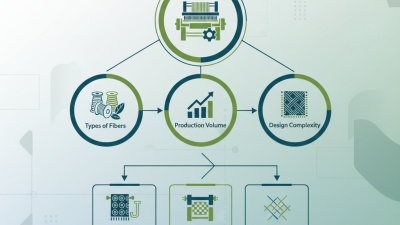
Choosing an industrial weaving machine starts with the fabric, not the speed rating. List the yarn types, fabric width, weave patterns, and daily output you actually need. A loom set up for lightweight cloth may not handle dense yarn consistently. Check the available working width and confirm that your intended yarns suit the machine’s tension and feeding systems.

Tips: Bring yarn cones and a sample specification to a supplier demonstration. Ask how long pattern changes and routine cleaning take.

Ask to see sample fabric made under comparable conditions. A brochure cannot show every detail.

Consider operating costs beyond the purchase price. Review power needs, spare-part availability, operator training, and maintenance access. Watch whether key components are easy to reach; awkward access can turn a small adjustment into lost production time.

It is tempting to choose the fastest option, but frequent style changes may make flexibility more valuable. I would question any choice based only on maximum speed. Test the machine with your own materials when possible, then compare fabric quality, waste, and setup time. Even a careful test has limits, so leave room to reassess after production begins.

Go to Top
Translate »