2026 Top Types of Automatic Fabric Inspection Machines

Choosing the right automatic fabric inspection machine will shape quality control throughout 2026. Mills now face tighter delivery schedules, wider fabric varieties, and rising demands for traceable decisions. A single missed hole can travel through hundreds of meters before cutting begins. That risk makes machine selection a practical production decision, not merely a technology upgrade.

The leading types include four-point inspection machines, roll-to-roll systems, knitted fabric inspection machines, tubular fabric models, and AI-supported vision platforms. Each type responds to different materials, speeds, widths, and defect patterns. A woven cotton mill may need stable lighting and precise edge tracking. A knitwear producer may prioritize fabric relaxation, tension control, and gentle transport. Some systems capture slubs, stains, holes, color bars, and width variation automatically. Others still require trained operators to confirm uncertain findings.

No machine is flawless. That matters. Dust, fabric curl, glare, and inconsistent tension can confuse even advanced cameras. W. Edwards Deming, a leading quality-management expert, said, “Quality comes not from inspection, but from the improvement of the production process.” His principle remains relevant to modern textile inspection. The best automatic fabric inspection machine supports process improvement, rather than hiding weak preparation or poor maintenance. Operators should compare detection accuracy, usable speed, data reporting, lighting stability, software flexibility, and service support. Hands-on trials are essential. A brochure cannot reveal every false alarm. Nor can a laboratory sample represent a twelve-hour production shift.

This guide examines the top machine types for 2026, their practical strengths, their limitations, and the conditions where each system performs best. Expect useful direction, not exaggerated promises.
2026 Top Types of Automatic Fabric Inspection Machines

What Automatic Fabric Inspection Machines Are and How They Work

2026 Top Types of Automatic Fabric Inspection Machines

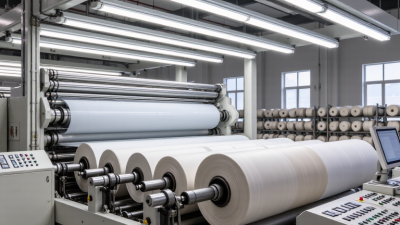
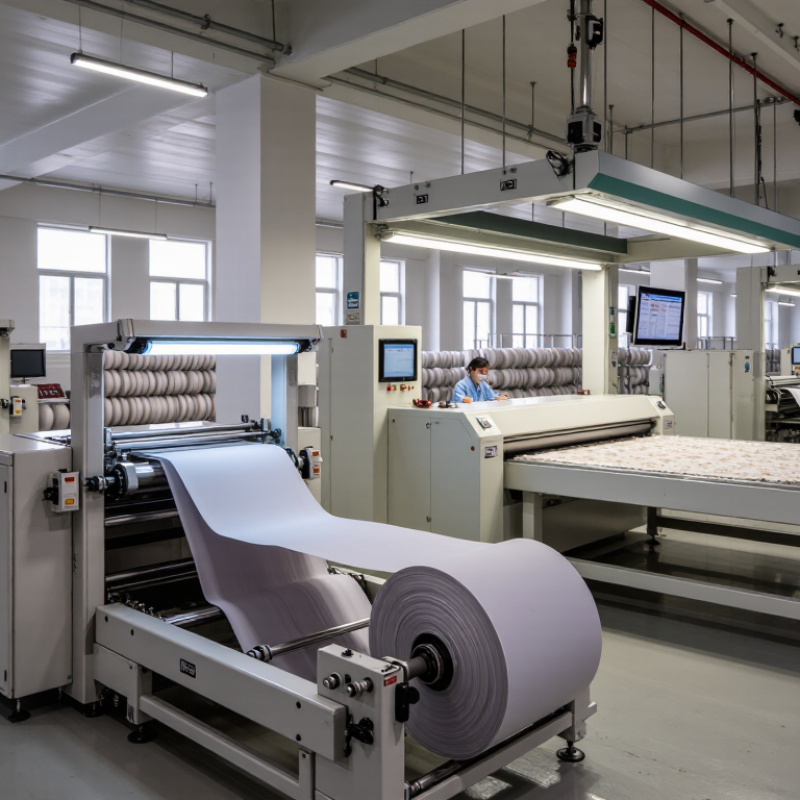
Automatic fabric inspection machines examine textile surfaces while fabric moves through a controlled viewing area. They use cameras, lighting, rollers, and software to detect visible defects. Common types include roll-to-roll systems, flat-bed inspection machines, and tubular fabric inspection machines. Each design suits different fabric widths, structures, and production speeds.

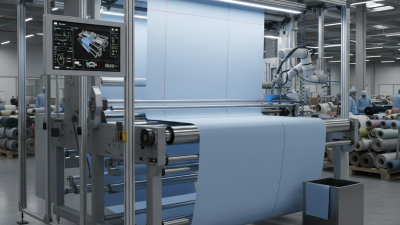
During operation, the fabric passes over illuminated rollers or a flat inspection table. High-resolution cameras capture continuous images of the surface. Processing software compares each image with selected quality settings. It can identify holes, stains, broken yarns, slubs, color variation, and weaving lines. The machine then marks the defect location or records it in a digital report. Operators still check unusual findings, because reflective fibers and uneven textures can confuse automatic detection.

Tips: Keep the fabric tension stable before inspection. Clean lenses and lighting covers regularly. Set suitable sensitivity for each fabric type. Excessive sensitivity may create false alarms, while low sensitivity can hide small defects. In practical use, calibration matters as much as camera resolution. No system is perfect. A clean image can still miss a subtle shade change, especially under inconsistent lighting. Reviewing machine records against physical fabric samples improves reliability and supports better process decisions.

Core Technologies Used in Modern Fabric Inspection Systems

Modern fabric inspection systems are shifting from simple light tables to connected machine-vision platforms. The 2026 market will include camera-based, hyperspectral, laser, and hybrid inspection machines. Textile Exchange’s 2024 Materials Market Report recorded global fiber production at 132 million tonnes in 2023. More fabric requires faster, traceable quality decisions.

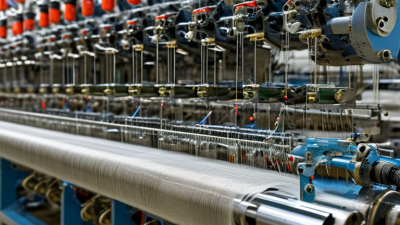
High-resolution line-scan cameras capture continuous fabric surfaces at production speed. LED lighting exposes slubs, holes, stains, and shade changes without touching the material. AI models then classify defects using image libraries and production history. Edge computing reduces delay because decisions occur beside the inspection frame. According to Grand View Research, the machine vision market is projected to grow steadily through 2030. That growth supports smarter inspection hardware, not only faster cameras.

Hyperspectral sensors can reveal oil, moisture, or chemical differences invisible to normal cameras. Laser profiling helps measure wrinkles, edge distortion, and surface height. Industrial communication protocols transfer defect coordinates to cutting and finishing equipment. The result is a digital roll map with precise meter positions. Still, AI can confuse woven texture with a defect. Human verification remains necessary for unusual patterns and new materials. This is where confidence should remain modest. Poor lighting, dusty lenses, and incomplete training images can quietly reduce accuracy. Experienced technicians still matter.

2026 Top Types of Automatic Fabric Inspection Machines - Core Technologies Used in Modern Fabric Inspection Systems

Machine Type Primary Fabric Applications Fabric Presentation Core Inspection Technologies Typical Operating Speed* Main Quality Outputs Best-Suited Quality Control Stage
Automated Grey Fabric Inspection Machine Woven and knitted greige fabrics before dyeing or finishing Open-width, roll-to-roll fabric with edge alignment Line-scan cameras, LED transmitted or reflected light, edge sensors, encoder-based length measurement 20–60 m/min, depending on construction and defect sensitivity Holes, missing yarns, slubs, thick places, thin places, stains, width and length records Incoming fabric and preparation for wet processing
Finished Fabric Inspection Machine Dyed, printed, coated, laminated and finished fabrics Open-width inspection with tension control and fabric viewing table High-uniformity LED lighting, color-calibrated cameras, defect marking, roll mapping and electronic grading 15–50 m/min for detailed visual and automated inspection Color variation, print faults, streaks, wrinkles, contamination, coating defects and actionable defect maps Final inspection before shipment or cutting
AI Vision Fabric Inspection System High-volume woven, knitted, technical and home-textile production Open-width or modular multi-camera line Deep-learning image classification, anomaly detection, high-speed line-scan imaging and real-time edge computing 30–100 m/min, subject to fabric structure and inspection requirements Defect class, coordinates, severity, confidence score, inspection image and statistical trend data Continuous process control and automated final inspection
Knitted Fabric Inspection Machine Single-jersey, interlock, rib, fleece and other knitted fabrics Open-width spreader or low-tension fabric path Low-tension spreading, tubular-to-open-width conversion, camera imaging, stroboscopic or diffuse LED illumination 15–45 m/min to reduce distortion and false alarms Needle lines, holes, dropped stitches, barre, oil marks, spirality and fabric distortion Knitting quality control and pre-cutting inspection
Tubular Fabric Inspection Machine Tubular knitted fabrics for garments, underwear and sportswear Tubular fabric opened temporarily or inspected in a controlled tubular path Fabric spreaders, synchronized rollers, LED viewing systems, width sensors and digital roll-length measurement 10–35 m/min, depending on diameter, stretch and inspection configuration Holes, needle damage, spirality, uneven tension, stains and roll segmentation Inspection of tubular goods before dyeing or garment cutting
Denim and Heavy Fabric Inspection Machine Denim, canvas, upholstery, workwear and heavy woven fabrics Reinforced open-width transport with high-load fabric support High-intensity directional lighting, robust tension control, edge tracking, camera inspection and defect tagging 10–35 m/min for dense or heavyweight constructions Broken picks, slubs, missing ends, shade bars, weaving faults, stains and width irregularities Greige and finished-fabric grading before cutting or dispatch
Technical Textile Inspection Machine Nonwovens, coated fabrics, geotextiles, filtration media and composites Open-width line with application-specific tension and support Multi-angle illumination, line-scan cameras, laser or profile sensors, thickness measurement and surface anomaly detection 10–80 m/min, depending on material, width and required resolution Pinholes, coating gaps, delamination, web breaks, wrinkles, basis-weight variation and surface contamination In-line production monitoring and release inspection
Compact Automatic Fabric Inspection and Rewinding Machine Garment fabrics, narrow production lots and export-ready fabric rolls Roll-to-roll inspection with automatic rewinding and selectable tension Digital length counter, edge alignment, camera or operator-assisted inspection, automatic stopping and roll labeling 15–50 m/min, depending on roll handling and defect detection mode Roll length, defect position, splice location, roll weight, grade and barcode or lot identification Small-batch finishing, warehouse inspection and shipment preparation
Color and Appearance Inspection System Dyed, printed, white, pastel and shade-sensitive fabrics Open-width viewing under standardized optical conditions Color-calibrated cameras, controlled illumination, RGB or multispectral imaging, shade comparison and image-based classification 10–40 m/min for reliable appearance and shade analysis Shade bands, color streaks, print registration errors, spots, gloss variation and surface appearance defects Dyeing, printing, coating and final approval

*Operating speeds are representative industry ranges rather than guaranteed machine ratings. Actual performance depends on fabric width, weight, stretch, construction, defect size, camera resolution, lighting conditions and the selected inspection standard.

Main Types of Automatic Fabric Inspection Machines in 2026

Main Types of Automatic Fabric Inspection Machines in 2026

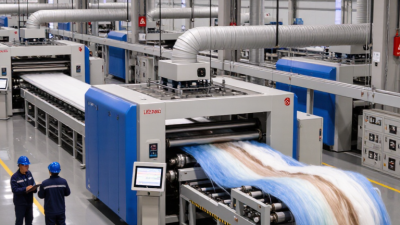
Automatic fabric inspection machines in 2026 mainly fall into open-width, tubular, knitted, and specialized heavy-fabric systems. Open-width machines spread woven fabric across a lighted inspection table. Their cameras detect holes, stains, slubs, color bars, and broken yarns. Tubular systems inspect circular-knit fabric without cutting the roll open. They suit garments made from seamless or stretch materials. Some factories still prefer human confirmation. That is sensible.

Knitted-fabric inspection machines use controlled tension and adaptive rollers. They reduce curling, spiraling, and false defect alerts. Denim and coated-fabric systems need stronger frames, brighter lighting, and slower feed speeds. These machines handle dense surfaces, but reflective coatings can confuse vision sensors. Three-dimensional inspection is developing for raised defects and uneven surfaces. It remains less common because calibration is demanding.

The Textile Exchange Materials Market Report 2024 recorded about 124 million tonnes of global fiber production in 2023. It projects production could reach 160 million tonnes by 2030. Higher output increases pressure for traceable quality control. Grand View Research valued the global machine vision market at approximately 17.2 billion US dollars in 2023, with projected growth through 2030. This wider data supports continued investment in camera-based inspection. Yet defect databases are often incomplete. Artificial intelligence may classify a stain correctly today and misread a rare weave tomorrow. Operators still need practical experience, clean lenses, stable lighting, and regular calibration.

2026 Top Types of Automatic Fabric Inspection Machines

Representative operating-speed ranges for the main automatic fabric inspection machine types used in 2026. Actual performance varies by fabric structure, width, lighting, defect size, and inspection requirements.

Key insight: Camera-based and open-width inspection systems generally support the widest speed ranges, while tubular and heavy technical-textile machines typically operate more slowly to maintain inspection accuracy.

How to Compare Machine Features, Accuracy, and Production Speed

Choosing among the top types of automatic fabric inspection machines in 2026 requires more than reading speed figures. Flatbed systems suit open-width fabrics, while tubular machines handle knitted materials with fewer handling steps. Integrated winding inspection can reduce rechecking, but it may limit flexibility for unusual fabric rolls.

Compare features against your actual workflow. Check fabric width range, camera resolution, lighting control, defect libraries, data export, and roll-handling stability. A clear touchscreen helps, but it does not guarantee reliable inspection. Ask for a trial using your own fabric, including dark colors, stretch materials, and recurring defects. Inspect the same roll twice. Differences reveal system consistency.

Accuracy needs practical measurement. Review detection rates, false alarms, missed edge defects, and operator review time. A machine reporting 99% accuracy may use a narrow test sample. That figure can mislead. Production speed also depends on fabric tension, defect density, roll weight, and stopping frequency. Faster is not always better. A high-speed line may create blurry images or increase rejection checks. Record meters inspected per hour, usable output, and downtime during a full shift. Leave room for human judgment. No inspection system is perfect, and even experienced teams can misclassify subtle shade changes.

Selecting the Right Inspection Machine for Different Fabrics

Selecting an automatic fabric inspection machine starts with fiber behavior, not machine price. Textile Exchange’s Materials Market Report 2024 recorded 124 million tonnes of global fiber production in 2023. Polyester represented about 57%, while cotton accounted for roughly 19%. These materials demand different inspection responses.

For woven cotton, choose a camera system with stable backlighting and accurate width control. It should detect slubs, broken picks, stains, and shade variation across tightly constructed surfaces. Polyester filament fabrics need higher resolution and strong glare management. Shiny yarns can create false alarms under uneven illumination. A system with adjustable lighting angles helps separate real defects from reflections.

Knitted fabrics stretch, curl, and change shape during inspection. A low-tension machine with fabric-width tracking is usually safer than a rigid transport path. For delicate silk-like fabrics, reduce contact pressure and use gentle rollers. Transparent or mesh materials may require transmitted light, while heavy denim benefits from reflected light and stronger defect contrast. ASTM D5430’s four-point method remains useful for comparing machine results with manual grading. Textile inspection practice still needs trained operators.

AI classification can reduce repetitive checks, but it is not automatically reliable. The operator must test it against local fabric colors, patterns, and defect histories. A perfect trial roll is not enough. Run several production lots, record false alarms, and review missed defects before selecting the final configuration.

Go to Top
Translate »