
China Top Automatic Fabric Inspection Machine Manufacturers
China has become a significant source of textile inspection technology, serving mills, garment factories, and fabric exporters worldwide. Choosing the right automatic fabric inspection machine requires more than comparing prices or catalog images. Buyers should examine inspection width, fabric speed, lighting quality, defect detection, data recording, and service support.
A reliable manufacturer usually explains how its equipment performs on cotton, polyester, knitted fabric, denim, and delicate materials. Practical demonstrations are valuable. They reveal whether the machine handles wrinkles, uneven tension, color variation, and transparent sections consistently. Experienced suppliers should also describe camera resolution, software functions, roll length measurement, and compatibility with existing production lines. Clear factory records, qualified engineers, and documented testing procedures strengthen confidence in their claims.
No supplier is perfect. Some published specifications may not reflect daily production conditions. A careful buyer should request sample testing with real fabric, not only laboratory material. After-sales response also matters when sensors drift or software needs adjustment. This guide introduces leading China automatic fabric inspection machine manufacturers through a practical and evidence-based comparison. It considers manufacturing experience, technical capability, customization options, quality control, export support, and customer feedback. The aim is not to promote one company blindly, but to help textile professionals identify dependable partners. Details can vary by model and project. Independent verification remains wise.
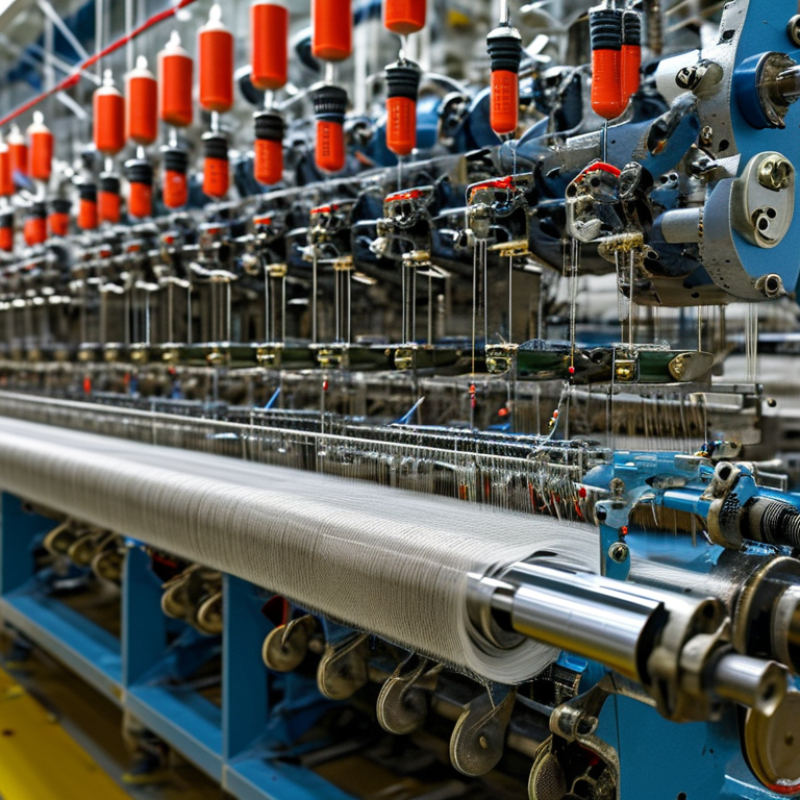
What Is an Automatic Fabric Inspection Machine?
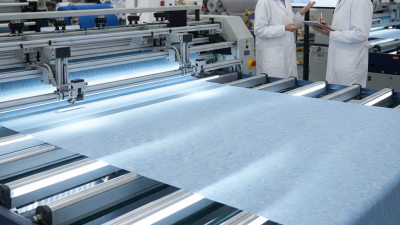
An automatic fabric inspection machine examines fabric while it moves through a controlled inspection frame. Motorized rollers unwind the roll at a stable speed. LED lighting exposes defects against a bright or dark background. Cameras then capture continuous images across the fabric width. Software identifies holes, stains, slubs, broken yarns, shade changes, and wrinkles.
The machine also measures fabric length and usable width. It can mark defect positions for later cutting or grading. In a busy textile mill, this replaces scattered paper notes with searchable production records. The need is growing. Textile Exchange’s 2024 Materials Market Report reported 124 million tonnes of global fiber production in 2023, with demand expected to reach 160 million tonnes by 2030. More fabric requires more consistent quality control.
However, automatic inspection is not perfect. Fabric tension, unstable lighting, and unusual textures may create false alarms. An operator should check a defect on the screen and inspect the actual roll. Experience still matters. A small oil mark may be serious on white fabric but acceptable in a low-grade lining. The system works best when teams calibrate cameras, clean lenses, and compare results with approved samples. ISO 9001 quality practices support this traceability, but they do not replace practical judgment. Manufacturers in China increasingly combine machine vision, digital reporting, and adjustable inspection speeds, yet every installation still needs testing with the buyer’s real fabrics.
China Top Automatic Fabric Inspection Machine Manufacturers - What Is an Automatic Fabric Inspection Machine?
| Data Dimension | Typical Industrial Specification | What It Means | Practical Quality or Production Benefit |
|---|---|---|---|
| Machine Function | Continuous fabric inspection, measuring, defect marking, and roll winding | The machine transports fabric over an inspection table while an operator or vision system checks the material. | Combines several preparation steps and creates a consistent inspection record for each roll. |
| Applicable Fabric Types | Knitted, woven, nonwoven, coated, laminated, printed, and technical textiles | Configuration depends on fabric structure, transparency, elasticity, surface finish, and weight. | Allows one inspection line to support multiple textile production applications. |
| Usable Inspection Width | Commonly 1,600–3,200 mm; customized systems may be narrower or wider | The usable width is the maximum fabric width that can pass through the inspection area. | Should be selected according to the widest fabric produced to avoid edge folding or repeated inspection. |
| Inspection Speed | Typically 5–60 m/min, depending on fabric type and inspection method | Lower speeds are generally used for delicate, elastic, transparent, or highly detailed fabrics. | Higher speed improves throughput, while controlled speed supports more reliable defect identification. |
| Fabric Weight Range | Often approximately 30–600 g/m², subject to machine design and fabric handling system | Fabric weight affects tension, tracking, winding torque, and the required drive capacity. | Correct sizing reduces wrinkles, stretching, skewing, and roll-shape problems. |
| Inspection Lighting | Transmitted light, reflected light, or a combination of both | Transmitted lighting highlights holes, thin places, and transparency differences; reflected lighting reveals stains, bars, slubs, and surface defects. | Suitable illumination improves visibility and helps distinguish different defect categories. |
| Defect Detection Method | Manual visual inspection, camera-assisted inspection, or hybrid inspection | Manual systems rely on trained operators, while camera-assisted systems use image acquisition and software analysis. | Hybrid systems combine human judgment with digital records and repeatable monitoring. |
| Typical Detectable Defects | Holes, stains, oil marks, slubs, missing yarns, broken ends, bars, stripes, wrinkles, and color variation | The actual detection range depends on fabric construction, lighting, camera resolution, and software settings. | Early identification prevents defective sections from reaching cutting, sewing, dyeing, or shipment stages. |
| Defect Marking | Manual chalk or label marking; optional automatic ink, flag, or digital position marking | Marks identify the defect location along the length or at the fabric edge. | Enables faster sorting, repair, cutting optimization, and roll grading. |
| Length Measurement | Digital encoder-based measurement with programmable measurement units | An encoder tracks fabric movement and records inspected length during roll formation. | Improves roll-length accuracy and supports traceability between defects and fabric positions. |
| Measurement Accuracy | Commonly within approximately ±0.1% to ±0.5%, depending on calibration and fabric slippage | Accuracy is affected by encoder quality, fabric tension, elasticity, and transport-wheel contact. | Reliable measurements support billing, inventory control, production planning, and claims management. |
| Roll Diameter Capacity | Usually up to 400–600 mm for standard inspection and rewinding configurations | The maximum roll diameter depends on fabric thickness, core size, winding torque, and machine frame. | Allows finished rolls to match downstream handling, packaging, and storage requirements. |
| Fabric Tension Control | Adjustable tension using dancer rollers, load cells, magnetic powder brakes, or servo drives | The system controls fabric stress as the material travels through the inspection and winding zones. | Helps prevent stretching, curling, wrinkles, telescoping, and uneven roll hardness. |
| Edge Alignment | Manual edge guiding or automatic edge-position control | Edge-guiding devices keep the fabric centered or aligned during transport and winding. | Produces straighter rolls and reduces edge damage and material waste. |
| Control Interface | Industrial touchscreen PLC or computer-based control panel | Operators can set speed, tension, roll length, lighting, marking mode, and inspection parameters. | Simple parameter management reduces setup time and supports consistent operation across shifts. |
| Data Recording | Roll number, inspected length, defect position, defect type, operator, date, and inspection result | Digital systems store production and quality information for individual rolls. | Creates traceability and makes quality analysis easier during production audits or customer claims. |
| Data Export | USB, Ethernet, local network, CSV, PDF, or database connection, depending on software configuration | Inspection data can be transferred to quality-management, warehouse, or enterprise systems. | Reduces manual paperwork and improves communication between production and quality departments. |
| Drive System | Variable-frequency motor drive or servo motor drive | Variable-speed drives regulate fabric transport and winding speed. | Provides smoother acceleration, better speed control, and reduced mechanical stress. |
| Electrical Supply | Commonly 380–415 V, three-phase, 50 Hz in industrial installations; other configurations are available | Electrical requirements depend on the destination market and total installed power. | Confirming voltage, frequency, grounding, and protection requirements helps prevent installation delays. |
| Safety Features | Emergency-stop buttons, protective guards, overload protection, safety interlocks, and warning indicators | Safety components stop or isolate hazardous motion during abnormal conditions or maintenance. | Supports safer operation and helps align the equipment with applicable workplace-safety requirements. |
| Recommended Selection Criteria | Fabric width, fabric weight, elasticity, production speed, roll diameter, defect types, lighting method, and data requirements | There is no single configuration suitable for every textile application. | Matching the machine to actual production conditions improves inspection accuracy, uptime, and return on investment. |
Note: The specifications shown are typical industry ranges for automatic fabric inspection equipment. Actual performance varies according to fabric construction, machine configuration, inspection method, calibration, and operating conditions.
Related Posts
-
2026 Best Automatic Fabric Inspection Machine Features Explained?
-
Top 10 Fabric Inspection Machines for Quality Control?
-
Top 10 Textile Inspection Machine Benefits for Global Buyers?
-
Top Benefits of Using Fabric Inspection Machines for Quality Control
-
Top Fabric Inspection Machine Solutions for Global Buyers?
-
What is a Fabric Testing Machine and How Does it Work?