Top 10 Wet Spinning Machine Manufacturers for Global Buyers
A wet spinning machine converts a prepared polymer solution into continuous filaments by pushing it through a spinneret and into a coagulation bath. That simple description hides demanding process choices. Bath chemistry, temperature stability, spinneret design, and take-up speed can affect fiber uniformity, output, and operating effort. For buyers, the right line must suit the material, target denier, production scale, and available utilities—not just a brochure’s maximum speed. Small details matter. A leaking connection, uneven bath circulation, or difficult-to-clean guide can waste time during routine shifts.
This guide introduces ten manufacturers serving global buyers and provides a practical starting point for supplier evaluation. It considers product focus, customization, automation, technical support, and experience with relevant fiber processes. These are comparison points, not a universal verdict: a pilot line for specialty fibers has different needs from a high-volume plant. Ask for process data, reference installations, commissioning scope, spare-parts lead times, and clear performance definitions. A polished sample is useful, but it does not prove stable production across a full shift. Nor does a long feature list guarantee a good fit. Information can be difficult to compare across vendors, so verify specifications directly and document assumptions before requesting quotations. The best choice is a machine and service package that can be validated against your feedstock, quality targets, staffing, and expansion plans. That takes careful questions. Sometimes, a trial is the wiser next step.
What Wet Spinning Machines Are and How They Work
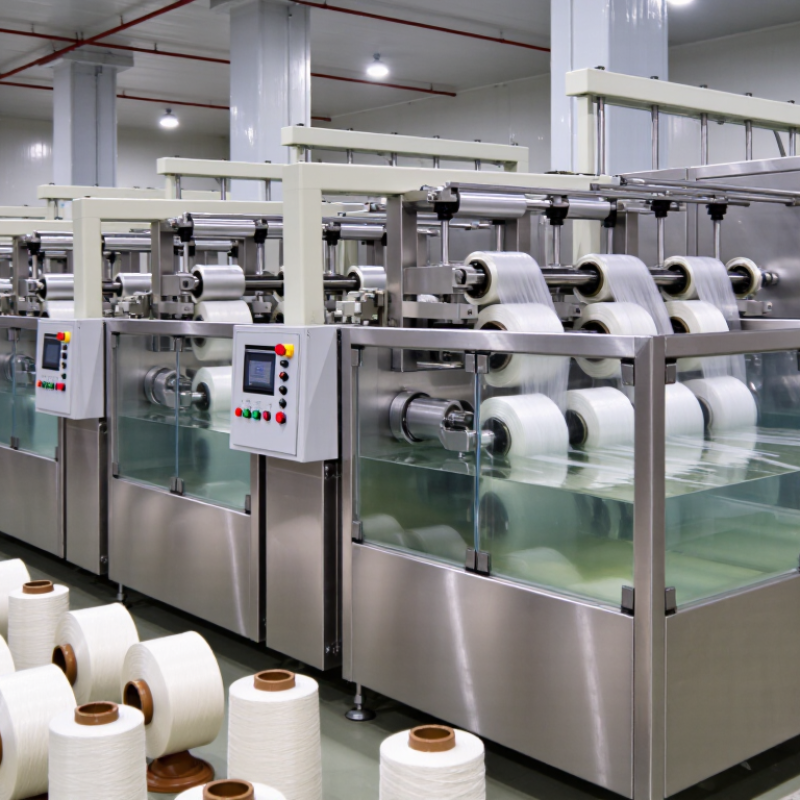
Wet spinning turns a polymer solution into continuous filaments by pushing it through tiny openings into a liquid bath. Unlike melt spinning, it suits polymers that can be dissolved but may not tolerate the heat needed for melting. The bath causes the polymer to solidify as solvent moves out and a nonsolvent moves in. That is the core.
A machine’s feed system keeps the solution moving toward a spinneret, whose fine holes shape the emerging strands. Operators monitor solution viscosity, temperature, and bath conditions because small variations can affect filament diameter and consistency. After coagulation, the filaments are washed to remove residual solvent, then drawn and dried to develop useful strength. Small changes matter.
The finished fiber may look simple, but its structure reflects several interacting process conditions. A practical operator watches for broken strands, uneven flow, or changes in bath clarity, rather than relying on settings alone. Still, the sequence is not perfectly tidy: some fibers need adjustments that are difficult to predict from a basic process diagram. Wet spinning explains the main steps, not every production challenge.
How Wet Spinning Works
Wet spinning forms fibers by extruding a polymer solution through a spinneret into a liquid coagulation bath. The bars show the typical order of process stages—not measured performance or production data. Drawing may take place at different points in the process, depending on the fiber and equipment.
Key Components and Stages of the Wet Spinning Process
Wet spinning forms fibers by extruding a polymer solution into a liquid bath. The dope tank needs steady mixing, filtration, and temperature control. A metering pump feeds the spinneret at a controlled rate. Tiny holes shape the streams. Small changes matter.
In the coagulation bath, solvent moves out while nonsolvent moves in, solidifying the filaments. Bath composition, temperature, and residence time affect fiber structure and strength. Exact settings depend on the polymer and desired properties. The filaments are washed, then drawn to align their molecular chains. Drying and winding complete the line, but tension must remain consistent. A rushed setup can create weak spots, uneven diameter, or brittle yarn. Inspection helps, though one test cannot reveal everything.
Tips: Check pump flow and spinneret cleanliness before production. Record bath temperature alongside line speed. Examine yarn samples under consistent lighting. If results drift, change one setting at a time. It takes longer, but makes troubleshooting clearer.
How to Evaluate Wet Spinning Machine Manufacturers
When evaluating wet spinning machine manufacturers, compare process control, not just quoted output. Ask how precisely the metering pump maintains flow and how operators monitor coagulation-bath temperature and composition. Small changes can affect filament diameter and surface quality. Request trial data using your polymer and target denier, including tensile variation and production speed. A polished sample is useful, but repeatability matters more.
Tips: Inspect the spinneret and wetted parts for easy cleaning and corrosion resistance. Ask to see maintenance records, spare-part lead times, and operator training materials. Check the details.
Review the complete line, from solution preparation to washing, drawing, and winding. Confirm that the proposed configuration fits your floor space, utilities, and planned shift pattern. Ask for a factory acceptance test with measurable criteria, such as flow stability and winding consistency.
Speak with comparable users, while remembering that their feedstock and operating conditions may differ from yours. Documentation may look excellent. Real production can still reveal gaps, so allow time for a supervised commissioning run and record results against agreed targets.
Top 10 Wet Spinning Machine Manufacturers for Global Buyers
A useful Top 10 list of wet spinning machine manufacturers should help buyers compare capabilities, not promise a universal winner. Wet spinning lines vary with polymer chemistry, solvent recovery needs, and target filament size. Start with the process you actually plan to run.
Inspect the spinneret, metering pumps, filtration stages, and coagulation bath as one connected system. Ask how temperature and bath concentration are controlled during a full production shift. Small fluctuations can change filament uniformity. Check whether wetted components suit your solvents, and request documented material specifications. Details matter.
Ask each shortlisted manufacturer for commissioning plans, operator training, spare-part lead times, and references for comparable fibers. A polished sample is not enough. Request trial data, including denier variation, break frequency, and stable run duration. Compare energy use and solvent-handling arrangements, too. I would be cautious about ranking suppliers from brochures alone; published figures may use different test conditions. Some questions remain. Confirm acceptance criteria before purchase, and keep room for process adjustments after installation.
Factors to Consider When Choosing a Machine Supplier
Choosing a wet spinning machine supplier starts with the polymer and product, not the catalog. Ask whether the system can handle your dope viscosity, solvent, target filament diameter, and bath chemistry. Request a process-flow drawing and operating ranges, including spinneret temperature, bath residence time, and take-up speed. Small details matter. A mismatch may lead to uneven filaments or frequent breaks.
Check evidence, not promises. Ask for a trial using a representative formulation, then review denier variation, tensile results, uptime, and waste records. Confirm how measurements were taken and whether conditions match your planned production rate. A polished sample is not enough. Get written specifications for output, utilities, installation, training, and acceptance testing before ordering.
Service capability deserves equal scrutiny. Clarify response times, technician availability, spare-parts lead times, and which components are made to order. Ask to speak with users running comparable fibers, while remembering that their line settings may not transfer directly. Review safety interlocks, ventilation interfaces, and documentation with your engineering team. Even a careful checklist cannot predict every start-up issue; leave room for questions during commissioning.