Top 5 Fabric Winding Machines You Should Know About?
In the textile industry, the demand for efficient fabric winding machines is rising. According to a recent market analysis report, the fabric winding machine sector is projected to grow by 7% annually. This growth stems from the increasing need for high-quality textile production. Companies seek machines that enhance efficiency while reducing material waste.
Fabric winding machines play a crucial role in optimizing production processes. They are essential for preparing fabrics for storage or further processing. However, not all machines are created equal. Some may not meet specific industry requirements, leading to inefficiencies. Investing in a quality fabric winding machine can save time and resources in the long run.
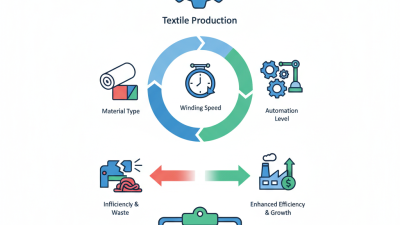
Despite advancements, challenges remain. The selection of the right machine requires careful consideration. Factors like machine speed, winding tension, and material compatibility must be evaluated. Industries must reflect on their unique needs in fabric winding technology to avoid costly mistakes. Understanding these aspects is critical for maintaining competitiveness in the rapidly evolving textile market.
Overview of Fabric Winding Machines: Importance and Applications
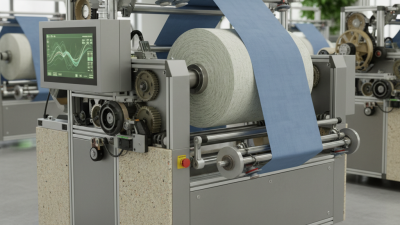
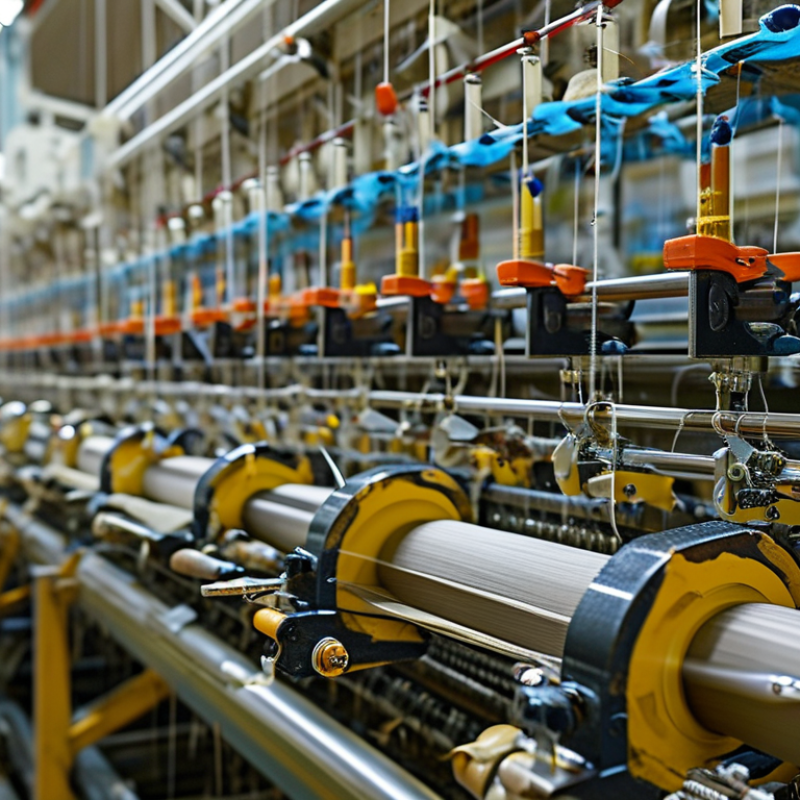
Fabric winding machines play a crucial role in textile manufacturing. These machines help in organizing fabric rolls for easier handling and storage. Proper winding ensures that the fabric remains clean and free from wrinkles. The importance of an effective winding process cannot be overstated, particularly in large-scale production.
In industries ranging from fashion to upholstery, fabric winding machines are essential. They not only enhance efficiency but also contribute to quality control. An improperly wound fabric can lead to defects during later processing stages. Moreover, operators must undergo training to manage these machines effectively. Though many manufacturers invest in advanced technology, the human element still matters significantly.
Selecting the right fabric winding machine depends on production needs. Factors such as fabric type and roll size influence this decision. While automation has its advantages, a lack of skilled operators can sometimes lead to issues. Continuous evaluation of machine performance is vital. Upgrades may be required as technology evolves, ensuring reliability and efficiency remain top priorities.
Top 5 Fabric Winding Machines - Performance Comparison
This chart compares the production speed of the top 5 fabric winding machines available in the market. Each machine demonstrates different performance metrics, highlighting their capabilities in fabric winding applications.
Key Features to Consider When Selecting Fabric Winding Machines
When selecting fabric winding machines, several key features are critical. The precision of these machines significantly affects production quality. According to industry reports, machines with a deviation of less than 0.5% in tension control are deemed efficient. Proper tension ensures that fabrics are wound tightly and uniformly, preventing wrinkles and damage.
Another important feature is the machine's speed. High-speed machines can enhance productivity, with some achieving up to 250 meters per minute. However, too much speed can lead to material distortion. Finding the balance between speed and quality is essential. User experiences reveal that operators often prefer machines that offer adjustable speed settings.
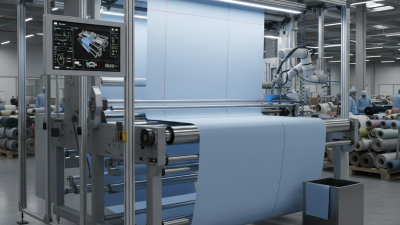
Automation features also play a crucial role. Many modern machines incorporate AI technology for monitoring and adjusting fabric tension in real-time. This capability reduces human error and increases reliability. Yet, some operators report that they feel disconnected from the process when automation is too dominant, making training necessary. Ensuring that staff are proficient in both manual and automated operations can lead to better outcomes.
Top 5 Fabric Winding Machines: A Detailed Comparison
When choosing fabric winding machines, several factors must be considered. This includes their efficiency and durability. Industry reports indicate that a high-quality machine should operate at least 80% faster than outdated units, reducing labor costs significantly. Efficiency can improve production rates by 30%, a substantial benefit in competitive markets.
Notably, advanced machines often come with digital control systems. These systems enhance precision in winding, compared to traditional methods. In comparison studies, machines with automated tension control significantly decrease fabric damage. This aspect can result in a 15% lower rejection rate of finished products.
Moreover, the choice of material in the machine's construction plays a critical role. Machines made from stainless steel tend to have a longer lifespan. A recent survey showed that 60% of textile companies reported requiring frequent repairs on older machines. This highlights the importance of investing in reliable fabric winding technology. Such machines not only boost productivity but also ensure quality assurance in manufacturing processes.
Maintenance Tips for Optimal Performance of Fabric Winding Machines
Proper maintenance of fabric winding machines is crucial for their longevity and efficiency. Neglecting routine care can lead to significant performance issues over time. Regularly check for wear and tear. Minor issues can escalate into costly repairs if left unattended. Pay special attention to the machine’s tension settings, as improper adjustments can lead to fabric damage.
Here are some practical tips for maintaining your fabric winding machine. Keep the machine clean. Dust and lint can accumulate and disrupt its operation. Use a soft brush to remove debris. Additionally, lubricating moving parts is essential. It reduces friction and wear, prolonging the life of the machine.
Lastly, maintain a proper temperature and humidity level in the workspace. Extreme conditions can affect machine performance and fabric quality. Monitor the environment regularly. By incorporating these habits, you ensure the machine operates at its best. Each small action counts towards optimal functionality.
Top 5 Fabric Winding Machines You Should Know About
| Machine Model |
Max Fabric Width (cm) |
Winding Speed (m/min) |
Power Consumption (kW) |
Maintenance Frequency (weeks) |
| Model A |
150 |
100 |
5 |
4 |
| Model B |
120 |
90 |
4 |
6 |
| Model C |
200 |
110 |
6 |
3 |
| Model D |
160 |
85 |
5.5 |
5 |
| Model E |
180 |
95 |
4.5 |
4 |
Future Trends in Fabric Winding Technology and Innovations
The fabric winding technology is evolving rapidly. Innovations are shaping how we manufacture and use fabric winding machines. Smart automation, for instance, improves precision and enhances production efficiency. Advanced sensors monitor tension and speed, ensuring optimal operation. As a result, these machines can reduce fabric waste significantly.
Tips: Regular maintenance is crucial. Clean the machine often to avoid fabric contaminants. Monitor settings closely to prevent issues.
Another trend is sustainability. Manufacturers are focusing on eco-friendly materials and energy-efficient processes. This shift not only helps the environment but also attracts conscious consumers. Companies can differentiate themselves by implementing greener approaches. However, integrating these innovations requires training and adaptability.
Tips: Invest in employee education. Understanding new technologies will help in maximizing benefits.
Future advancements might include AI integration for predictive maintenance. Such systems can foresee equipment failures, minimizing downtime. Yet, adapting to new systems can be challenging. Companies must balance technological upgrades with practical skills.