7 Tips for Choosing a Yarn Spinning Machine

Choosing a yarn spinning machine is not a brochure decision. It is a production decision, shaped by fiber type, yarn count, output targets, energy use, and operator skill. The International Textile Manufacturers Federation’s 45th International Textile Machinery Shipment Statistics reported that global shipments of new short-staple spindles rose 15% to 8.5 million in 2022. That figure reflects substantial investment, but shipment volume alone cannot tell a mill which machine will suit its needs.

A useful rule of thumb is: “Choose for the yarn you need to make, not the machine you hope to own.” This is editorial guidance, not a verified quotation. Textile materials expert Dr. Seshadri Ramkumar is a relevant voice on textile innovation, but I cannot verify a published statement from him specifically about selecting spinning machinery. A reliable guide should not invent one.

The seven tips ahead focus on practical checks: matching the spinning system to the fiber, testing yarn quality, comparing realistic production rates, and examining maintenance access. Ask to see trial results—not just a polished showroom run. Listen for vibration near the drafting zone. Inspect how quickly a technician can reach routine service points. Small details matter. A high-speed machine may look impressive, yet poor fit can mean waste, downtime, or uneven yarn. No single model suits every mill; even a careful shortlist deserves a real production trial.
7 Tips for Choosing a Yarn Spinning Machine

How Yarn Spinning Machines Turn Fibers into Yarn

7 Tips for Choosing a Yarn Spinning Machine

How Yarn Spinning Machines Turn Fibers into Yarn

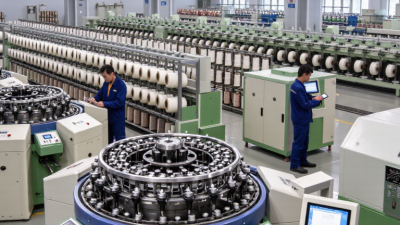
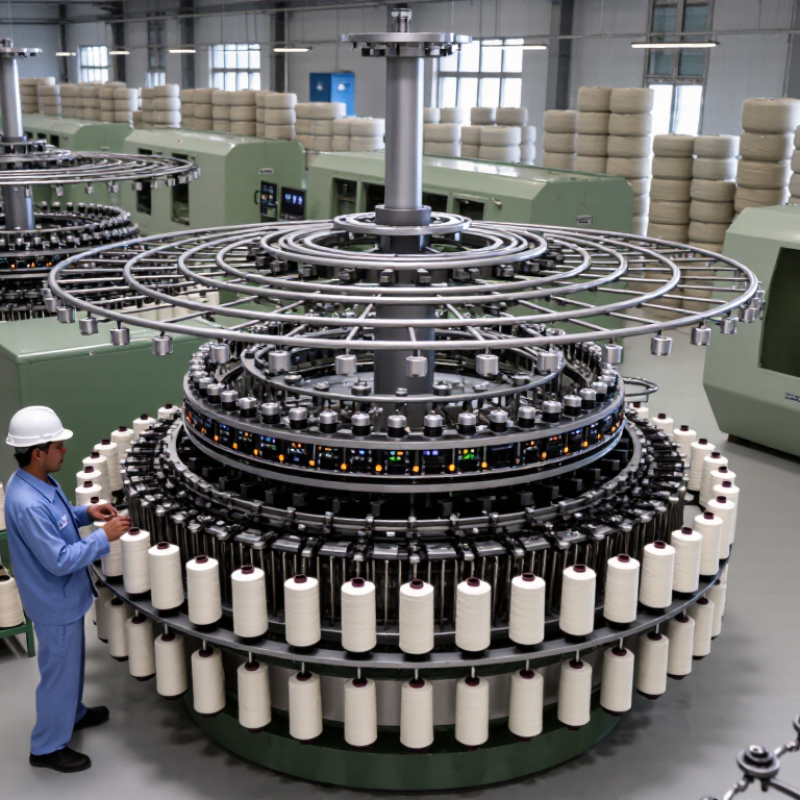
A yarn spinning machine does not transform loose fiber in one leap. Preparation opens compressed tufts, removes some debris, and aligns fibers through carding. Drawing frames combine and straighten slivers. The fibers become more even. A roving frame may add slight twist before final spinning strengthens the strand. Small changes in fiber length or moisture can affect breakage and yarn consistency.

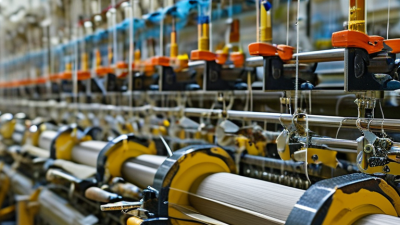
At the spinning frame, rollers draft the roving thinner while a spindle or rotor inserts twist. The twist holds fibers together; winding then packages the yarn for later use. Different systems suit different fibers and yarn counts, so compare the intended material, production speed, maintenance needs, and operator skill before selecting equipment. Faster is not always better. A machine running beyond stable settings can create uneven yarn and more waste.

The scale of this work is substantial. Textile Exchange’s Materials Market Report 2024 estimates global fiber production reached 124 million metric tons in 2023. That figure covers many fiber types, not yarn alone, but it shows why consistent processing matters.

Ask suppliers for trial data using your actual fiber blend, and inspect samples for irregular thickness and weak spots. One detail is easy to overlook: a clean, well-adjusted feed path can matter as much as the spinning unit itself. I would still verify performance over a full shift, not just a polished demonstration. This takes time.

Define Your Fiber Types and Yarn Requirements

Before comparing yarn spinning machines, identify the fibers you plan to process. Cotton, wool, flax, and synthetic staple fibers differ in length, fineness, strength, and surface feel. These traits affect drafting and fiber control. Small differences matter. Check the actual staple-length range, not just the average, especially when handling mixed lots. A machine suited to short fibers may struggle with longer ones, while delicate fibers can break under excessive tension. Fiber preparation matters, too: uneven opening or changing moisture levels can alter how smoothly fibers feed.

Then define the yarn you need. Record its count, twist, ply, texture, and intended use, such as weaving, knitting, or upholstery. Fine yarns often require precise drafting and steady tension; coarser yarns may need different settings and stronger handling. Consider whether you will spin one fiber or switch among several. Frequent changes can mean more adjustment time and careful cleaning. Ask suppliers for specifications, but verify them with representative fiber samples and a small trial run. A catalog figure alone is not enough. Note breakage, uneven sections, and waste during testing. The best fit may involve a trade-off: higher output is less useful if the machine cannot produce the yarn consistently.

Compare Spinning Systems and Production Capacity

A spinning system should match the yarn you plan to sell. Ring spinning handles a broad range of counts and often produces soft, strong yarn, but it needs more space and downstream winding. Rotor spinning can make coarser yarn efficiently, with fewer process steps. Air-jet systems run quickly on suitable fibers and counts, though their yarn feel and end uses differ. Speed alone misleads.

Compare usable production, not the number on a machine brochure. Output changes with yarn count, fiber length, delivery speed, breaks, and operator response. Ask suppliers for trial data using your fiber blend and target count. Check packages, too: a high hourly rate means little if package size slows changeovers. Small details matter.

Estimate capacity from expected output per position, operating hours, and realistic efficiency. Then leave room for maintenance and product changes. A line running near its limit may miss delivery dates when a key component needs service. Walk through the proposed layout; note aisle widths, doffing access, and where full packages will wait. I would question any capacity estimate that assumes perfect uptime. It is tempting to compare one figure, but I have seen that shortcut overlook the practical bottleneck.

Evaluate Machine Specifications, Automation, and Quality

7 Tips for Choosing a Yarn Spinning Machine

Tip: Match the machine’s usable spindle range to your planned yarn counts and production volume. Check the specification sheet for spindle speed, draft range, and package size, then compare those figures with your actual materials. A fast machine is not automatically the right machine.

Tip: Ask for a trial with your fiber blend. Watch for uneven drafting, fly, and frequent yarn breaks. Small details matter.

Tip: Review the automation features closely. Automatic doffing and yarn-break detection can reduce repetitive work, but only if operators can understand the controls and respond quickly.

Tip: Check what data the system records, such as downtime and break frequency. These figures help identify recurring problems. Do not guess. During a demonstration, ask staff to show a routine adjustment, not just a smooth production run.

Tip: Set clear quality checks before comparing machines. Inspect sample yarn for evenness, strength, twist consistency, and visible defects under the same conditions.

Tip: Confirm that settings can be repeated across shifts, and ask how calibration and maintenance are documented.

Tip: Consider access to wear parts and technical support, too.

A small concern: I would not rely on one perfect sample. Request several runs, because real production is rarely that tidy.

Assess Costs, Maintenance, and Supplier Support

A yarn spinning machine’s purchase price is only one part of its cost. Estimate energy use, staffing, tooling, installation, and likely downtime over several years. Ask for a written quote that separates included parts from optional equipment. Compare output using the yarn count and fiber types you actually plan to process. A fast machine is not automatically the economical choice.

Tip: Check maintenance needs before choosing. Ask how often critical parts require inspection, how long routine servicing takes, and which replacement parts should be kept on site. Request a maintenance schedule and realistic service-life estimates. Downtime costs. If possible, have an operator review access to the drafting zone, belts, and lubrication points. Small details matter. I would still leave room for uncertainty; actual wear depends on materials, settings, and shift patterns.

Supplier support can affect production as much as machine specifications. Ask who handles installation, operator training, troubleshooting, and warranty claims. Confirm typical response times and whether technical help is available remotely. Ask for sample manuals and a clear list of spare-part lead times. Tip: Speak with a current user of similar equipment, if one is available, and ask what support looked like after commissioning. Promises are useful, but documented terms are easier to evaluate. A careful comparison may take longer than expected. It is worth checking the assumptions twice.

Go to Top
Translate »