Top 10 Types of Automatic Fabric Inspection Machines

Textile production is expanding, and quality control is becoming more demanding. Textile Exchange’s 2024 Materials Market Report estimates that global fiber production reached 124 million tonnes in 2023. It may approach 160 million tonnes by 2030. More fabric means more inspection pressure. Small defects can travel unnoticed across hundreds of meters. A missed slub, hole, stain, or shade variation may later create cutting losses, customer claims, and rework.

An automatic fabric inspection machine helps manufacturers examine fabric continuously under controlled lighting and tension. Modern systems can detect visual defects, measure fabric width, record defect positions, and support roll grading. However, performance depends on fabric structure, camera resolution, lighting design, and software training. No machine is infallible. That matters.

This guide introduces the top 10 types of automatic fabric inspection machines used across woven, knitted, denim, technical, and coated textiles. The comparison considers inspection method, suitable materials, production speed, defect sensitivity, data traceability, and operator involvement. ASTM D5430 remains a useful reference for fabric visual inspection and grading, although factories may apply different internal acceptance standards. The International Organization for Standardization also emphasizes controlled processes through ISO 9001 quality management principles.

The “best” machine is not universal. A high-speed camera system may suit plain woven fabric, yet struggle with reflective coatings or complex prints. A slower system may deliver more dependable results. This guide therefore looks beyond impressive specifications. It examines practical trade-offs, including false alarms, maintenance, calibration, and operator judgment. Some conclusions remain imperfect because textile surfaces behave unpredictably. That is precisely why informed selection matters.
Top 10 Types of Automatic Fabric Inspection Machines

How Automatic Fabric Inspection Machines Work

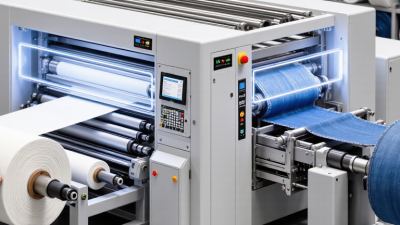
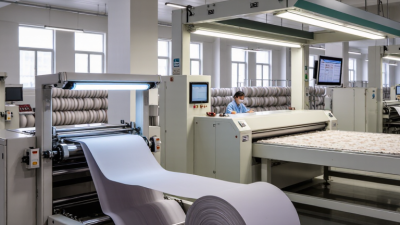
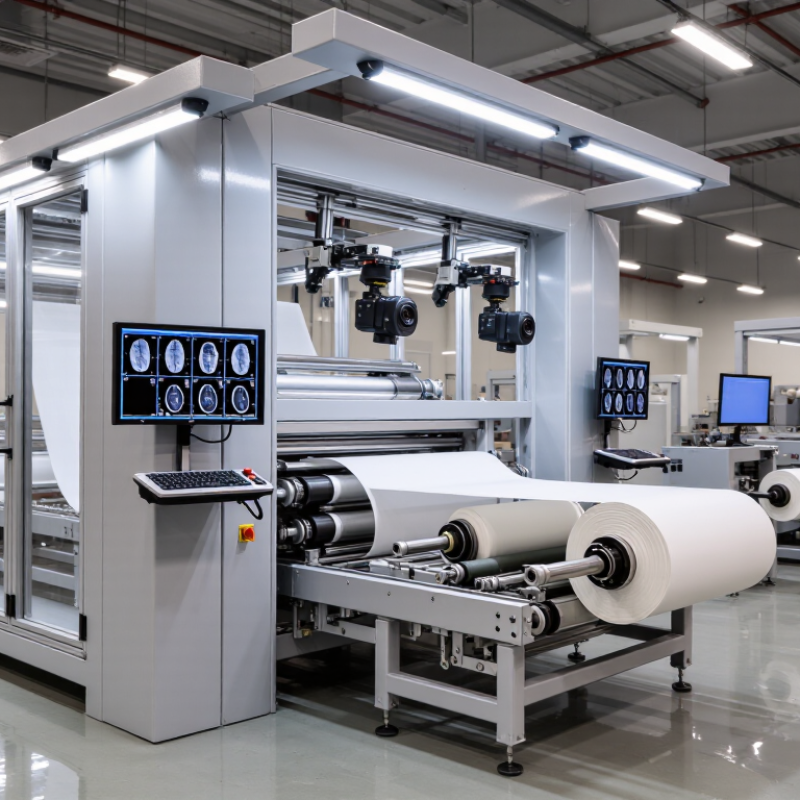
Automatic fabric inspection machines combine controlled lighting, cameras, motion sensors, and defect-analysis software. Fabric passes over a spreading table at a measured speed. Line-scan cameras capture narrow sections continuously, while an encoder records the exact fabric position. The software compares each image with preset thresholds. It can flag holes, stains, broken yarns, slubs, shade variation, and weaving lines. Operators then review marked areas on a monitor.

The process becomes more important as production volumes rise. Textile Exchange’s Materials Market Report 2024 estimated global fiber production at 124 million tonnes in 2023. The report projects approximately 160 million tonnes by 2030. More fabric requires faster, repeatable quality checks. Human inspectors remain valuable, but fatigue can affect attention during long shifts. Machines provide consistent illumination and measurement, especially when fabric moves quickly.

The system is not infallible. Dark patterns, transparent materials, wrinkles, and subtle color shifts can confuse image algorithms. In practice, technicians must adjust sensitivity for each fabric construction. Too much sensitivity creates false alarms. Too little may hide a real defect. ASTM D5430’s fabric inspection framework also reminds users that defect grading depends on size, location, and visual impact. A reliable workflow therefore combines machine detection, calibrated settings, and experienced human judgment. Mistakes still happen. That is worth remembering.

Key Features and Classification Criteria

Top 10 Types of Automatic Fabric Inspection Machines

Automatic fabric inspection machines are classified by fabric structure, inspection stage, width, speed, and defect resolution. The ten common types include woven, knitted, denim, grey, finished, nonwoven, tubular, narrow-width, wide-width, and roll-to-roll systems. Each machine matches a different surface.

Textile Exchange’s Materials Market Report 2024 records 124 million tonnes of global fiber production in 2023. It projects production may reach 160 million tonnes by 2030. This growth increases demand for stable inspection data. Woven systems often use synchronized lighting and line-scan cameras. Knitted systems need flexible tension control. Nonwoven inspection requires stronger contrast for weak or uneven surfaces. Denim machines must handle heavy texture and shade variation.

Classification should also consider inspection speed, fabric width, camera resolution, defect libraries, and data traceability. ASTM D5430 remains a useful reference for visual fabric grading, although automatic systems need digital calibration. ITMF’s 2024 industry reports continue to highlight productivity pressure and uneven market demand. A high-speed machine may reduce labor, but it can also create false alarms. Not every alert means a defect. In practice, lighting changes, dust, and fabric tension still affect accuracy. Human review remains valuable, and I would not treat software scores as unquestionable evidence.

Ten Main Types of Automatic Fabric Inspection Machines

Top 10 Types of Automatic Fabric Inspection Machines

Automatic fabric inspection is not one universal process. Ten main types serve different materials, widths, and production conditions.

Grey fabric inspection machines detect weaving faults before dyeing. Finished fabric machines examine color, stains, holes, and surface marks. Woven fabric systems monitor regular structures, while knitted fabric systems handle loops, stretch, and curling edges.

Denim inspection machines manage heavy, textured surfaces. Printed fabric machines compare patterns and identify missing or blurred details. Coated and laminated fabric machines check bubbles, wrinkles, pinholes, and uneven layers.

Tubular fabric machines inspect circular goods without flattening them excessively. Narrow-width machines suit ribbons, tapes, and small technical fabrics. Nonwoven and carpet inspection machines evaluate continuous webs with different surface textures.

In real production, these categories can overlap. A finished denim line may need woven-fabric settings and specialized lighting. Cameras, line scanners, tension controls, and defect software work together.

However, detection accuracy depends heavily on fabric speed, light reflection, and calibration. No machine catches everything. I have found that unstable tension can create false alarms, especially on elastic knits. Human review remains useful when defects are subtle or unusual.

Tips:

Match the machine to the fabric structure, not only its width. Test representative rolls before purchasing. Record defect samples and adjust sensitivity gradually. A perfect dashboard may still hide poor calibration. Review rejected fabric manually when results seem inconsistent.

Inspection Workflow from Fabric Feeding to Defect Reporting

Top 10 Types of Automatic Fabric Inspection Machines

Inspection Workflow from Fabric Feeding to Defect Reporting

Automatic fabric inspection begins with controlled feeding. The operator places the fabric roll on a powered cradle and checks its width, weight, and roll direction. Edge guides keep the material centered as servo rollers unwind it. Stable tension matters. Too much tension can hide wrinkles or stretch defects beyond their normal size. Too little tension creates folds that confuse the inspection system.

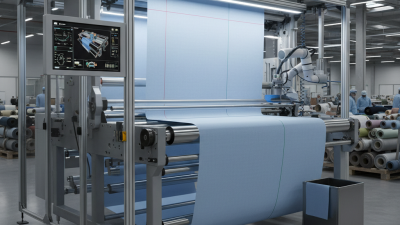
A calibrated light panel illuminates the fabric from below or above. High-speed cameras scan the moving surface line by line, while an encoder records the exact fabric length. Software compares each image with defined limits for holes, stains, broken yarns, slubs, and shade changes. When a defect appears, the machine marks its position with ink, a label, or a digital coordinate. The operator should still watch the viewing area. Automated detection is powerful, but it can misread a temporary crease as a permanent fault.

After inspection, the system calculates inspected length, defect frequency, and severity levels. It can generate a roll map showing defects by meter and fabric edge position. Production staff use this report to decide whether to rework, downgrade, or release the roll. Every result should link to the roll number, inspection date, machine settings, and operator record. Human review remains necessary. Some subtle shade differences depend on lighting conditions and trained visual judgment. That limitation deserves documentation, not concealment.

How to Select the Right Machine for Different Fabrics

Top 10 Types of Automatic Fabric Inspection Machines

How to Select the Right Machine for Different Fabrics

Selecting an automatic fabric inspection machine starts with the material, not the machine’s advertised speed. Woven cotton needs stable tension and clear lighting for broken yarns, stains, and weaving bars. Stretch fabrics require low-tension transport, or the system may create false wrinkles. Knitted fabric often benefits from wider viewing areas and software that handles loops, holes, and uneven surfaces.

For thin silk or lightweight polyester, choose gentle rollers, adjustable illumination, and sensitive camera detection. Reflective fibers can confuse ordinary lighting. Diffused LED panels usually reduce glare. Heavy denim needs a strong frame, reliable edge control, and enough torque for continuous rolls. Coated fabrics may need angled lighting to reveal pinholes and surface bubbles.

Common machine designs include flat-bed, tubular, wide-width, compact, line-scan, multi-camera, LED-lit, laser-assisted, semi-automatic, and fully automatic systems. In practice, line-scan systems suit long, continuous rolls, while tubular machines fit narrow knitted goods. Check the machine using your own fabric samples. Ask for defect images at production speed, not only showroom demonstrations. I once trusted a high-resolution camera and overlooked poor tension control. That mistake produced clean images but unreliable measurements. No machine is perfect. Operators still need training, calibration records, and regular checks against physical defect standards.

Top 10 Types of Automatic Fabric Inspection Machines - How to Select the Right Machine for Different Fabrics
Rank Machine Type Primary Inspection Technology Typical Fabric Applications Common Defects Detected Typical Working Width Typical Inspection Speed Main Advantages Important Selection Considerations
1 AI Vision Fabric Inspection Machine High-resolution line-scan cameras combined with machine-vision or deep-learning software Knitted fabric, woven fabric, denim, technical textiles, and printed fabric Holes, stains, slubs, missing yarns, broken ends, wrinkles, oil marks, and shade irregularities 1.8–3.6 m 20–60 m/min, depending on fabric and camera resolution Can classify multiple defect types and create digital inspection records with less dependence on operator judgment Requires representative training images, stable lighting, accurate fabric tracking, and regular software validation
2 Camera-Based Roll-to-Roll Inspection Machine Area-scan or line-scan cameras with continuous web monitoring Woven fabric, knitted fabric, nonwoven rolls, coated textiles, and laminated materials Surface holes, contamination, yarn defects, creases, coating gaps, and pattern interruptions 1.6–3.4 m 15–50 m/min Suitable for continuous production lines and provides defect maps linked to roll position Camera selection must match fabric texture, pattern repeat, line speed, and required minimum defect size
3 LED Transmitted-Light Inspection Machine Backlighting that reveals variations in fabric transparency and open structure Sheer woven fabrics, lace, voile, mesh, gauze, and lightweight knitted fabrics Holes, thin places, missing yarns, open seams, mesh variation, and irregular fabric density 1.8–3.2 m 10–40 m/min Excellent contrast for through-holes and density changes that may be difficult to see with reflected light Less effective on opaque, very dark, heavily coated, or highly reflective fabrics; light intensity must be controlled
4 Reflective-Light Surface Inspection Machine Front-facing LED illumination with reflected-light cameras Opaque woven fabrics, denim, upholstery fabric, canvas, and coated textiles Stains, oil spots, color bars, slubs, surface fuzz, scratches, wrinkles, and print defects 1.8–3.6 m 15–45 m/min Provides strong surface contrast for opaque fabrics and supports inspection of printed or finished surfaces Lighting angle, gloss level, fabric color, and surface texture strongly influence detection accuracy
5 Fabric Width and Edge Inspection Machine Optical edge sensors, laser measurement, and camera-based width monitoring Woven fabric, knitted fabric, narrow-width fabric, technical fabric, and coated rolls Width variation, bowed edges, curled edges, broken selvedges, edge holes, and off-center winding 0.3–3.6 m 20–80 m/min Controls usable width and detects edge problems before cutting, spreading, or downstream processing Choose sensors according to edge definition, fabric curl, stretch, transparency, and required measurement tolerance
6 Knitted Fabric Inspection Machine Low-tension fabric presentation with camera or camera-assisted visual inspection Single jersey, rib, interlock, fleece, warp knit, and elastane-containing fabrics Needle lines, dropped stitches, holes, barre, spirality, lycra faults, ladders, and width instability 1.8–3.4 m 10–35 m/min Handles stretchable structures while reducing distortion caused by excessive fabric tension Use spreading and tension control suited to fabric elasticity; inspection speed should be reduced for highly extensible fabrics
7 Woven Fabric Inspection Machine Motorized fabric transport with surface lighting, camera inspection, and digital defect marking Cotton, polyester, viscose, blended, denim, shirting, and home-textile fabrics Broken ends, missing picks, double picks, slubs, reed marks, stains, wrinkles, and weaving bars 1.8–3.6 m 15–50 m/min Provides stable fabric presentation and is well suited to dimensional woven structures Select transport and lighting based on fabric weight, construction, color contrast, and required defect grading
8 Printed and Patterned Fabric Inspection Machine Pattern-registration cameras, color imaging, and repeat comparison algorithms Printed cotton, digitally printed fabric, furnishing fabric, fashion fabric, and patterned knits Color variation, print misregistration, missing motifs, blurred images, streaks, repeat mismatch, and ink spots 1.6–3.2 m 8–30 m/min Detects defects in both print quality and pattern alignment while supporting repeat-based comparison Requires correct pattern repeat data, color calibration, controlled illumination, and tolerance settings for acceptable variation
9 Coated, Laminated, and Technical Textile Inspection Machine Combined reflected-light, transmitted-light, laser, or thermal-compatible optical inspection Waterproof fabric, PU-coated fabric, PVC-coated textile, filtration media, geotextile, and composite textile Pinholes, coating streaks, bubbles, delamination, wrinkles, surface scratches, thickness-related marks, and discontinuities 1.5–3.2 m 5–30 m/min Can be configured for specialized surfaces and demanding quality requirements beyond conventional apparel fabric Choose detection methods according to coating opacity, gloss, thickness, line temperature, and the smallest critical defect
10 Automatic Fabric Grading and Roll-Mapping Machine Machine vision, defect classification, length measurement, and digital roll-quality mapping Apparel fabric, home textiles, denim, knitted rolls, and quality-controlled export production All recorded visual defects, defect frequency, defect location, roll length variation, and quality-grade violations 1.8–3.6 m 10–45 m/min Combines inspection, defect scoring, roll mapping, and traceability for cutting and production planning Define grading rules, defect severity, fabric category, and data-export requirements before implementation
Selection guideline: Choose the inspection method according to fabric opacity, stretch, surface texture, pattern complexity, critical defect size, required production speed, and whether the process needs defect classification, width control, or digital roll traceability.
Go to Top
Translate »