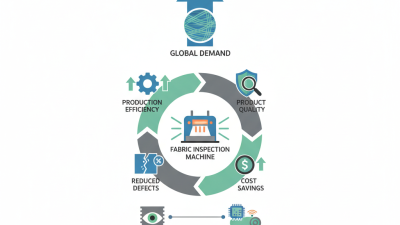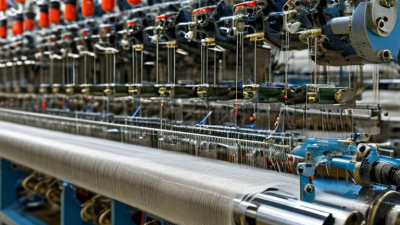
Choosing the right fabric inspection machine is a quality decision, not merely an equipment purchase. Global fiber production reached approximately 124 million tonnes in 2023, according to Textile Exchange’s Materials Market Report 2024. The report expects production to approach 160 million tonnes by 2030. More fabric means more opportunities for defects to escape unnoticed. Even a small weaving fault can become a visible stripe across a finished garment.
A reliable fabric inspection machine should support consistent viewing, accurate fabric measurement, stable tension, and clear defect recording. The machine must suit the fabric width, weight, stretch, roll diameter, and production speed. These details matter on the factory floor. A delicate knitted fabric may curl under excessive tension. A heavy denim roll may require stronger braking and loading systems. ITMF industry surveys also show continuing pressure on textile manufacturers from costs, uncertain demand, and operational efficiency. Inspection equipment must therefore reduce rework without creating new handling problems.
The seven tips in this guide focus on practical selection criteria. They cover lighting quality, inspection speed, fabric compatibility, digital reporting, operator ergonomics, maintenance, and supplier support. Faster is not always better. That assumption deserves testing. A machine running quickly but missing pinholes has limited value. Likewise, impressive software cannot compensate for poor calibration or untrained operators. Buyers should compare trial results, defect visibility, measurement accuracy, and long-term service records. Standards such as ISO 9001 can strengthen quality procedures, but they do not replace hands-on evaluation. The best choice is the machine that delivers repeatable inspection under real production conditions.
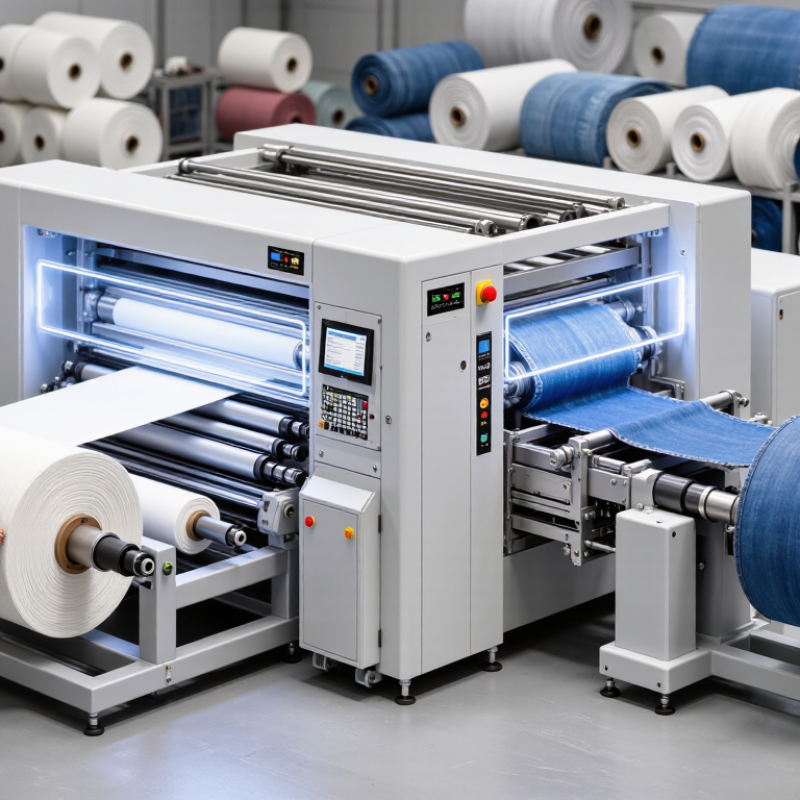
Choosing a fabric inspection machine starts with a clear production target. Measure your fabric width, daily output, roll weight, and common defect types. A machine for lightweight knitted fabric may not suit dense woven material. Record these differences before speaking with suppliers.
Higher speed sounds attractive, but it can reduce viewing accuracy. Set a practical target based on operator response time and fabric behavior. Check lighting uniformity, camera resolution, fabric tension, and roll handling. These details affect real inspection quality. I have seen fast equipment perform poorly when fabric edges curled during inspection. That result is easy to overlook.
Decide whether you need manual viewing, digital detection, or both. List acceptable defects, report formats, and inspection data requirements. Your team should test sample rolls with holes, stains, slubs, shade changes, and crease marks. Use the same samples for every evaluation.
You may add wider fabric, new fibers, or smaller batch orders. Leave room for adjustable tension and flexible fabric support. Ask about calibration, operator training, maintenance access, and spare components. Do not judge performance from a demonstration alone. A short trial may hide problems that appear after several hours. Your requirements may also be incomplete, so review them with operators and quality engineers.
7 Tips for Choosing a Fabric Inspection Machine
Fabric volume should guide the machine type. Textile Exchange’s 2024 Materials Market Report estimates global fiber production reached 124 million tonnes in 2023. That scale increases pressure on inspection accuracy and speed. A manual table suits small batches and frequent style changes. A motorized machine fits continuous production. Automated vision systems support large, repeatable orders, but they need stable lighting and careful calibration.
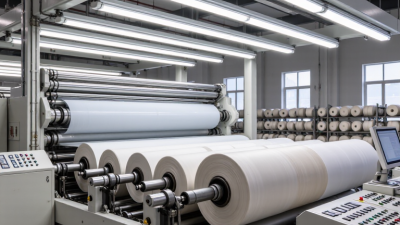
Measure fabric width before comparing equipment. The inspection width should exceed the usable fabric width slightly. This prevents edge folding and hidden defects. A 1.8-meter roll needs more than a narrow inspection frame. Check roll diameter, fabric weight, and winding direction too. These details affect handling capacity. A machine may accept wide fabric but struggle with heavy rolls. It happens.
Inspection speed is not the only performance measure. Ask for effective meters per minute under real fabric conditions. Thin knits may stretch, while coated fabrics can slip. Confirm the machine’s tension-control range and roll-loading method. The 2024 Textile Exchange report also highlights growing material diversity, including recycled fibers. Those fabrics can behave differently during inspection. Request a trial using your own rolls, lighting, and defect standards. Record false alarms, operator adjustments, and changeover time. A polished demonstration can hide practical weaknesses.
Choose lighting that matches your fabric.
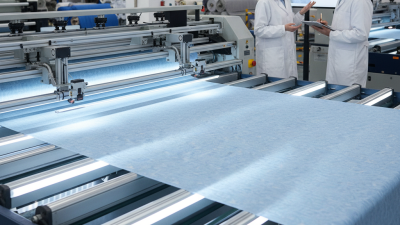
Diffused light reveals stains, while angled light exposes wrinkles and raised yarns. Test both before purchasing. Ask for measured illumination, not “bright” marketing language. The International Commission on Illumination recommends consistent viewing conditions because color judgments change with light intensity and color temperature.
Check the imaging system carefully.
High-resolution cameras should capture fine slubs without creating excessive data noise. Compare images at production speed, not only during a showroom demonstration. Confirm whether the system handles dark, sheer, stretch, and patterned materials. Textile Exchange reported that global fiber production reached 124 million tonnes in 2023. More material means more variation, so one camera setting may not suit every roll. It sounds obvious. It is often missed.
Evaluate defect detection with your own fabric samples.
Include tiny holes, shade bars, oil marks, missing yarns, and edge curling. Request measurable results, such as detection rate, false alarms, and missed defects. The World Quality Report 2023–24 identifies data quality as a continuing obstacle in industrial AI projects. That warning matters here. A machine can detect quickly but still classify poorly. Review how operators correct false alarms and whether the software records defect location, size, and frequency. Inspect the inspection report itself. Finally, check calibration routines, camera stability, screen visibility, and operator training. A technically impressive system may fail under dust, vibration, or changing shift conditions.
Tip 1: Test measurement accuracy with a calibrated reference roll. Run the same fabric several times and compare length, width, and defect positions. A reliable machine should produce consistent readings, not merely attractive specifications. Check performance at different speeds and tensions. Light fabric may curl, while knitted material can stretch unexpectedly. That detail matters.
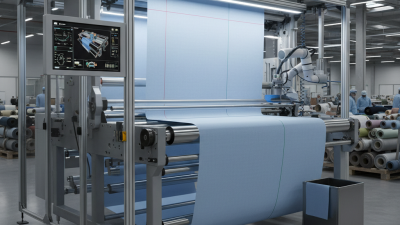
Tip 2: Examine the software during a real inspection, not only through a sales demonstration. Useful systems should display live measurements, defect images, fabric speed, and inspection status clearly. Reports should export easily, with traceable dates, roll numbers, and operator notes. Ask whether users can adjust defect categories without complicated coding. Some systems offer many functions, yet operators use only three. That mismatch wastes money.
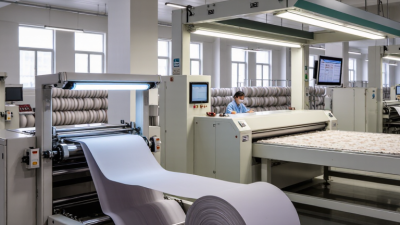
Tip 3: Let several operators use the control panel. They should load a recipe, mark a defect, and review a report without constant assistance. Buttons need clear labels, and warnings should remain visible under bright factory lighting. A touchscreen with gloves can be frustrating. I have seen accurate equipment underperform because workers avoided difficult menus. My own evaluations are not perfect, either; I sometimes focus too heavily on technical data. A short trial with actual operators usually reveals more than a polished specification sheet. Consider training time, cleaning access, and recovery after a power interruption. Small delays accumulate across a production shift.
Choosing a fabric inspection machine starts with the fabric, not the sales brochure. Record widths, roll weights, speeds, lighting conditions, and defect types from your own floor. A machine that handles delicate knits may struggle with heavy coated fabric. Ask for a supervised trial using representative rolls. Watch the operator, too. Poor ergonomics can become a daily cost.
Assess maintenance before discussing purchase price. Check access to lamps, rollers, sensors, belts, and dust filters. Ask how often each part needs cleaning, calibration, or replacement. Request a written preventive-maintenance schedule and realistic downtime estimates. Safety deserves equal attention. Confirm guarding, emergency stops, electrical protection, noise limits, and safe roll loading. The machine should support documented risk assessments and operator training. Do not accept vague compliance claims; request current certificates and test records. Standards and requirements vary by location.
Calculate total cost across five years, including energy, spare parts, software updates, training, and lost production. The cheapest quotation can become expensive after repeated stoppages. Compare measurable outputs, such as inspection accuracy, usable speed, and changeover time. Supplier support matters when a sensor fails on a night shift. Clarify response times, remote assistance, technician availability, and spare-part lead times. Ask for references from facilities with similar fabrics and volumes. In my experience, trial data is more reliable than polished demonstrations. Still, no test predicts every problem. Review your assumptions after installation, and leave room for operator feedback.